
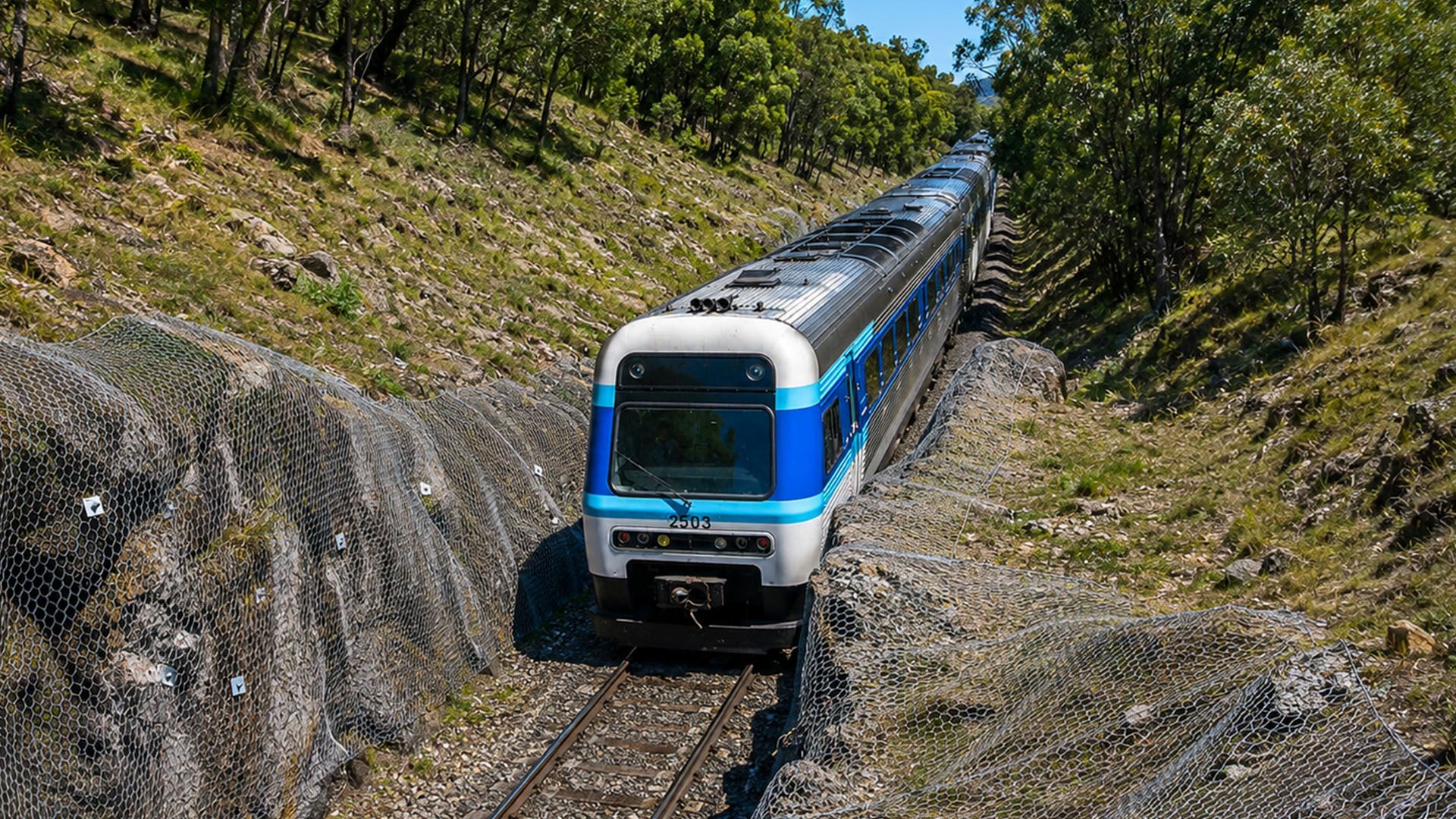
Çelik Grid
Çelik tel kaya düşmesi koruma sistemleri
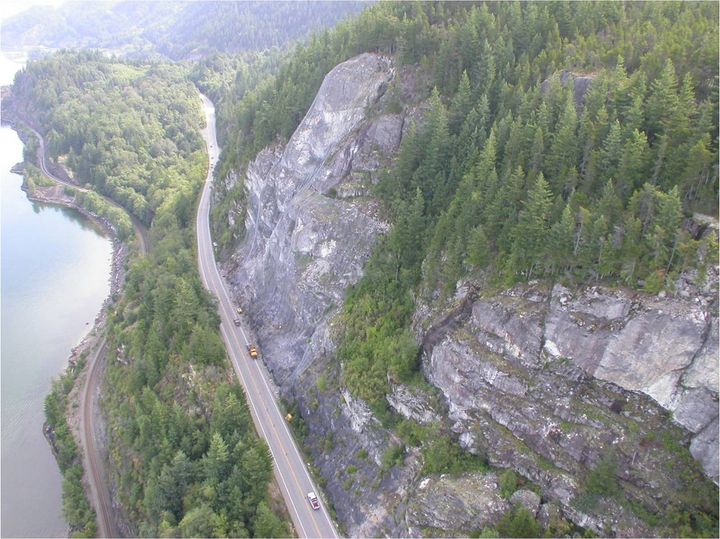
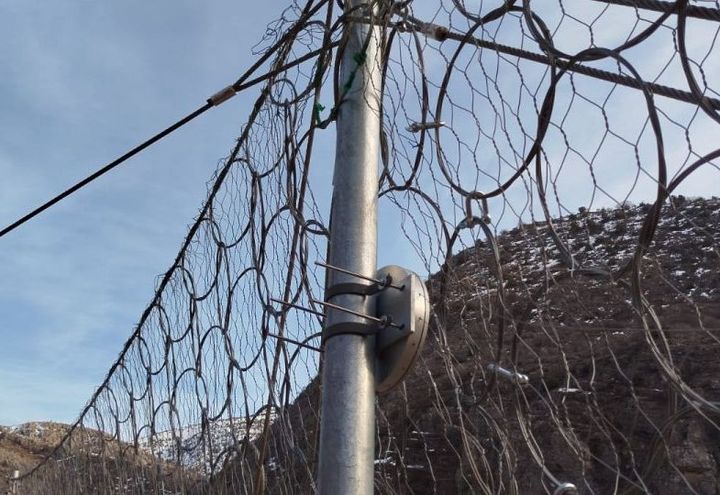
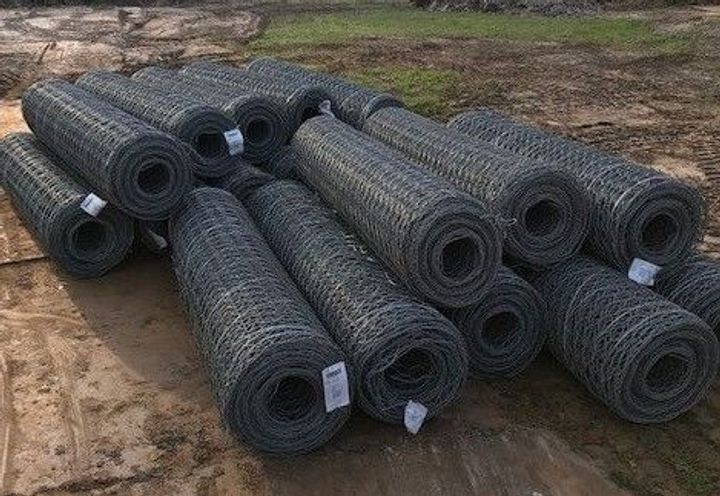
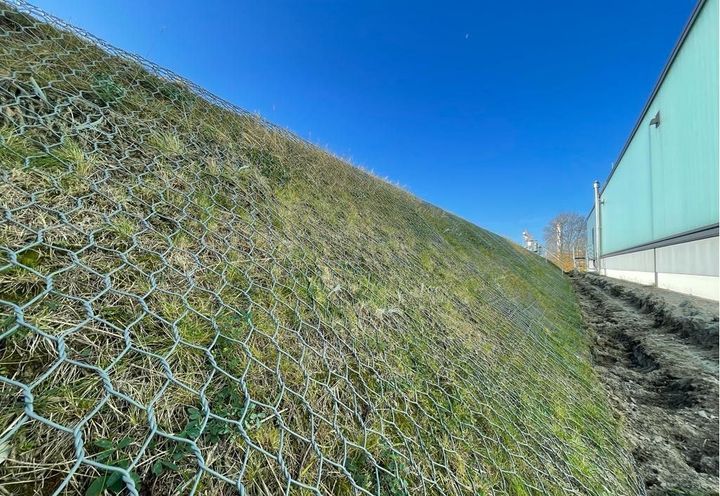
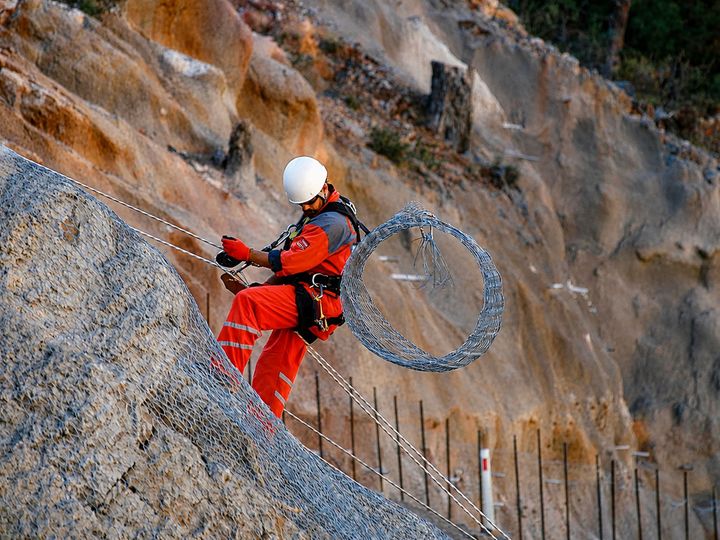
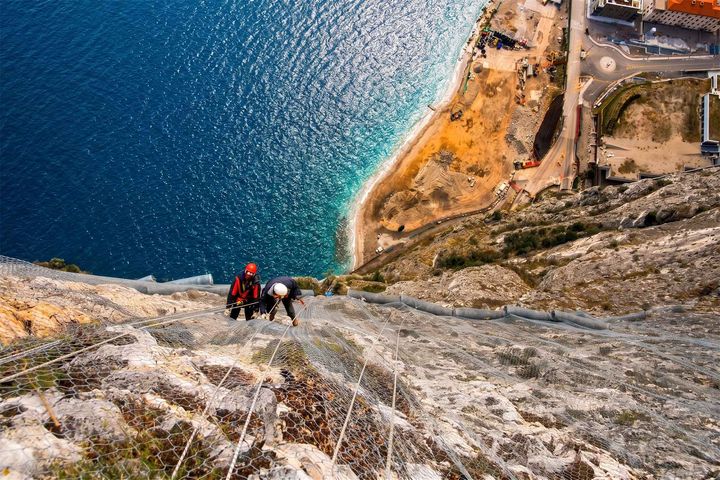
Çelik Grid, kaya düşmesi azaltma ve doğal afet koruma uygulama alanımızın temel bir bileşenidir. Proje sahası koşulları ve müşteri ihtiyaçlarına ilişkin analizimize göre seçilen çeşitli ağ sistemlerinden biridir. 50 yılı aşkın bir süredir kullanılan Çelik Grid malzememiz, çift bükümlü altıgen dokuma çelik telden tasarlanmıştır ve kaya ve molozların yollara ve demiryollarına düşmesini önlemek için ağ sistemi olarak kullanılır. Çift büküm özelliğinden dolayı, çelik grid düşen kayaların delme kuvvetine dayanabilir ve tel kopması durumunda çözülüp dağılmadan kalabilir.
Çelik Grid, uzun süreli korozyon koruması sağlamak için yoğun şekilde galvanizlenmiş yüksek kaliteli çelik telden imal edilmiştir. Daha agresif ortamlarda veya daha uzun bir tasarım ömrünün gerekli olduğu durumlarda kullanılacak ağlar için ek bir koruyucu polimerik kaplama da uygulanır.
Çelik Grid malzememiz, dünya çapındaki fabrikalarımızda imal edilmektedir. Seçili fabrikalarda,ağ, ETA-16/0758'e uygun EC işaretine sahip CPR - 305/2011 Yapı Ürünleri Yönetmeliği'ne uygun olarak üretilir. Yönetim ve üretim sistemi, ISO 9001 ve ISO 14001 (çevre yönetim sistemi ile ilgili) ile uyumlu olarak belgelendirilir. Bölgenizdeki uyumluluk ve sertifikalandırmayla ilgili ayrıntılar için lütfen yerel Maccaferri bayinizle iletişime geçin..
Success Stories
Built, not just drawn
Discover more
ANAGOLD - ÇÖPLER GOLD MINE ROCKFALL PROTECTION PROJECT
Türkiye
Following the major landslide that occurred in February 2024 in the heap leach area of the Çöpler Gold Mine, located in the İliç district of Erzincan, a pressurized pipeline was installed to safely discharge contaminated water from the site. This initiative represents the second stage of a rockfall protection project for the discharge pipeline, which initially included the installation of 770 m² of RB 1000 rockfall barriers and 6,000 m² of SteelGrid HR50 mesh during the first phase in 2024. However, due to its location, the pipeline remained exposed to a high risk of rockfalls. The disrupted slopes and irregular accumulation of debris caused by the landslide created conditions conducive to rock detachment and debris flows, posing significant threats to both the pipeline and nearby infrastructure. To mitigate these risks, the first phase of protective measures was implemented in 2024. Critical slopes were stabilized using passive SteelGrid HR50 systems, and a rockfall barrier—measuring 220. 0 meters in length and 3. 50 meters in height, with an energy absorption capacity of 1,000 kJ—was constructed. All the rockfall barrier materials are CE marked and the barriers are certified according to the EAD 340059-00-0106 (ex ETAG027). While these interventions proved effective in the short term, ongoing site monitoring revealed the need for additional measures to ensure long-term slope stability and enable continuous geotechnical observation of the area.
Discover more
BEAVERNETTING EVERTSOORD
Netherlands
A thriving beaver population is threatening the stability of the Netherlands' sea defences. The Mammal Society has brought together other wildlife groups to work out how to protect these important water-blocking dykes from the small but potentially destructive semi-aquatic rodents. Beavers play an important ecological role in the Netherlands and were initially brought in to increase biodiversity. The beaver-breeding program began in 1988, and since then the beaver population has grown exponentially. There are now an estimated 700 beavers residing in the country's streams and canals. Triumphant mating habits combined with the beavers' ability to breed so successfully in the Dutch countryside mean they have been moving beyond the southern province of Limburg and entering towns and cities that may not be prepared for the influx. With the Dutch beaver population expected to hit around 7,000 by 2032, the need to take pre-emptive action is now a very important theme.
Discover more
HELMHOLTZ-ZENTRUM BERLIN ADLERSHOF
Germany
The University Campus in Berlin-Adlershof is well known for the many research institutions present in its area. One of those is the HZB Helmholtz - Zentrum Berlin, where a prototype of a linear accelerator with energy recovery is placed. In this building, electrons are accelerated to almost the speed of light using a great deal of energy. After passing through a high-speed path, the electrons are to be recaptured in bERLinPro and their energy recovered. Therefore the hall is protected by a reinforced soil structure made with the wrap-around system. In the last times, some foxes started to dig and excavate tunnels inside the embankment, creating some instability problems.
Discover more
Deep dive into
Çelik Grid
What we can do with
Çelik Grid
Applications
Solutions
Get in touch with us
[contactForm_txtSuccessSubmit]