
BioMaterials
Biomaterials Crafted from Natural Fibers
Biomaterials Crafted from Natural Fibers
Our biomaterials are composed of natural fibers like jute, straw, coir, sisal, and more, carefully assembled into flat, two-dimensional structures.
These structures are available in both open mesh and closed designs. In the closed configuration, fibers are typically sandwiched between two containment layers. Additionally, certain natural fibers, such as jute, coir, and sisal, can be woven into standard fabrics with varying mesh openings. These materials are flexible, allowing them to adapt to the natural contours of the soil. Given the biodegradable nature of these materials, they are designed for temporary use, providing essential soil protection while vegetation takes root.
Success Stories
Built, not just drawn
Discover more
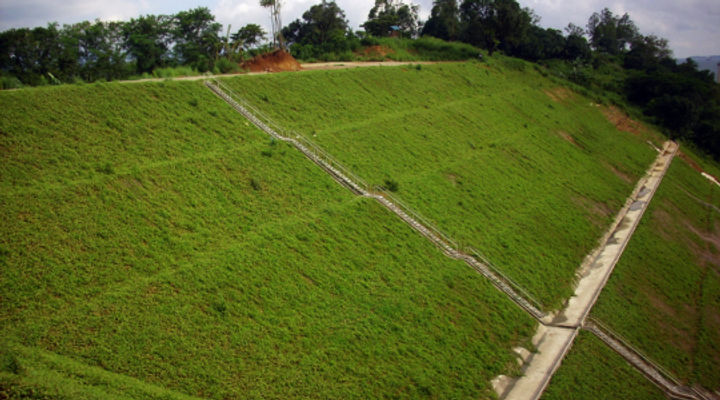
HANJIN SUBIC SHIPYARD
Philippines
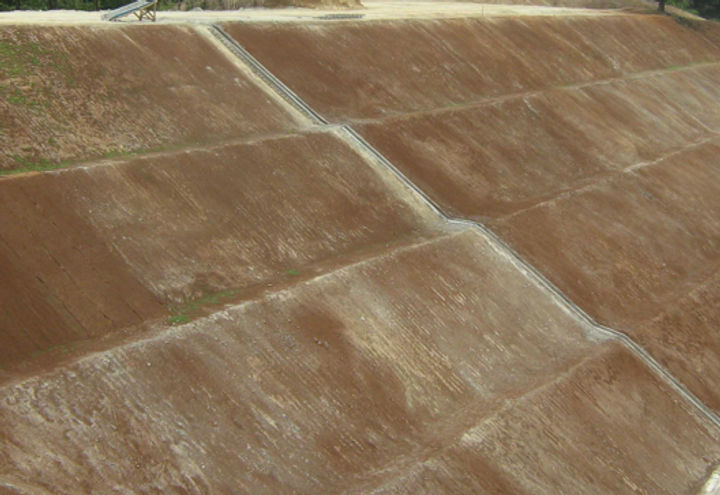
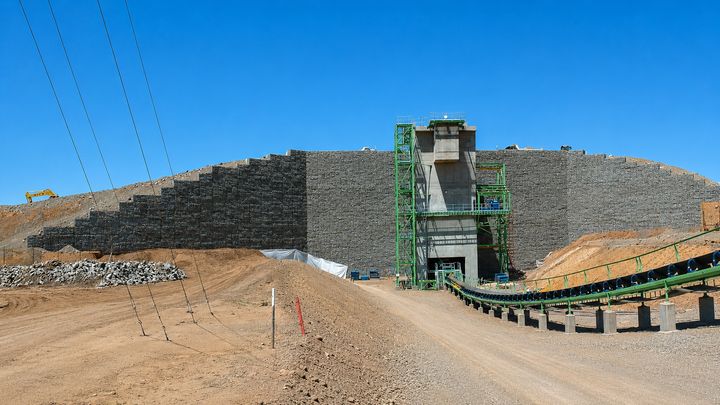
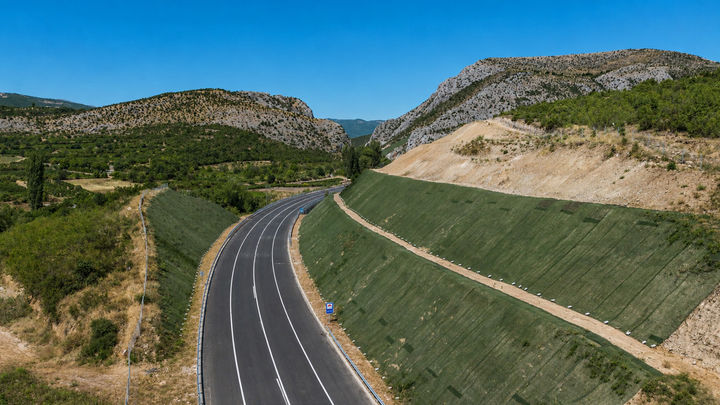
The Hanjin Subic Shipyard in Subic Freport Zone, Zambales is the biggest shipyard ever built in the Philippines, and is known to be the fourth largest in the world. To make the development of the shipyard possible, cutting of slopes up to 40 meters in height and filling of some depressed areas were required especially for the construction of access roads. During rainy season, exposed cut slopes were prone to erosion, which results to damage of property and work stoppage. Hanjin engineers required to have a permanent solution to the erosion problem.
Discover more
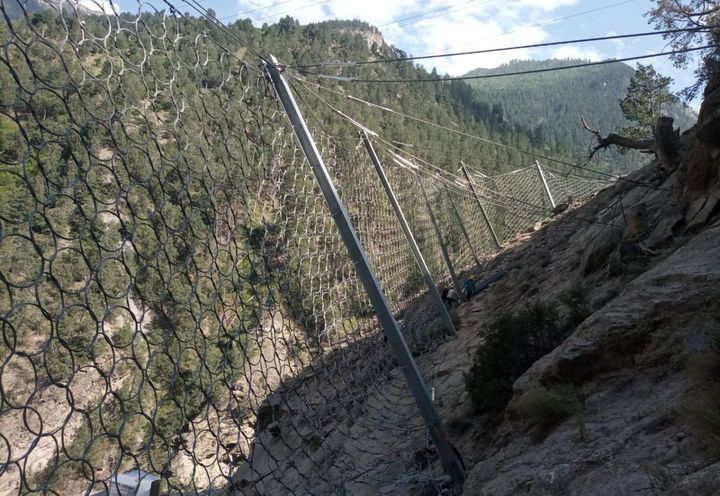
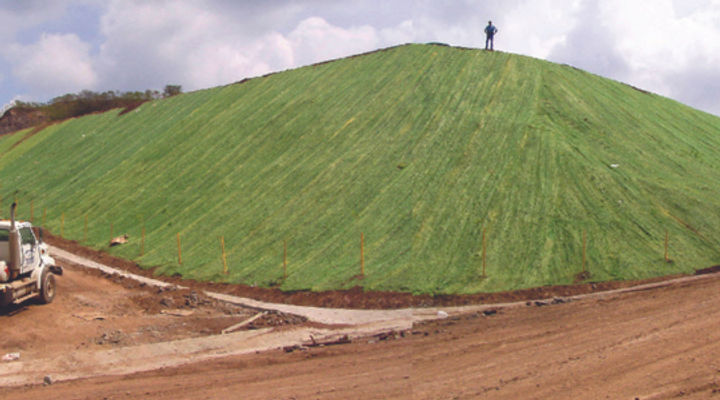
MITIGATION MEAURES NEAR PANGI BRIGDE APPROACH, HIMACHAL PRADESH
India
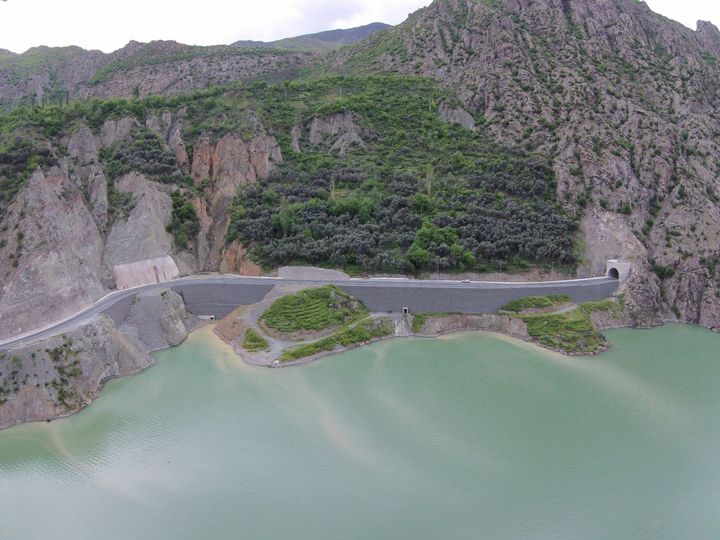
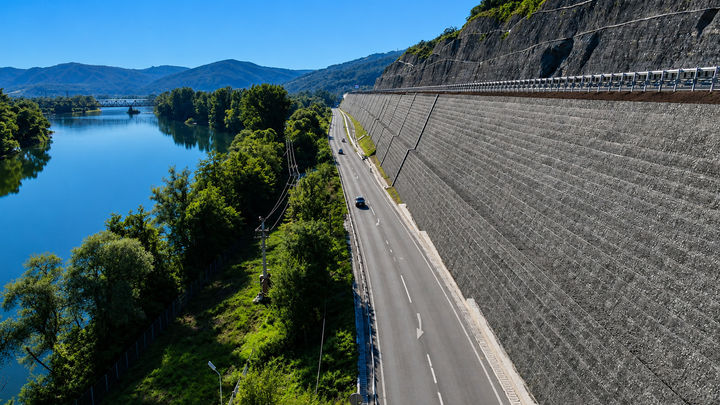
The landslide of Pangi nallah on the old Hindustan-Tibet road (bottom road) at NH-22 at KM 373. 05 causes inconvenience to the civilians, Army, BRO, and ITBP Officials. The major problems on the site were rockfall / falling debris, surficial instability, erosion and subsurface water flow, which poses a continuous threat to the people and traffic flow along the section of NH 22 at KM 373. 05. Therefore, the site required suitable mitigation measure for a smooth and safe traffic flow. It was observed from the engineering investigations that the existing road width near Pangi nallah varies from 3. 5 to 4 m. Most of the road was damaged and the total stretch covered by the landslide was about 130 m. The hillside height is about 1000 m, whereas the valley is approximately 60 m deep with a steep slope angle of 60-80 degrees.
Discover more
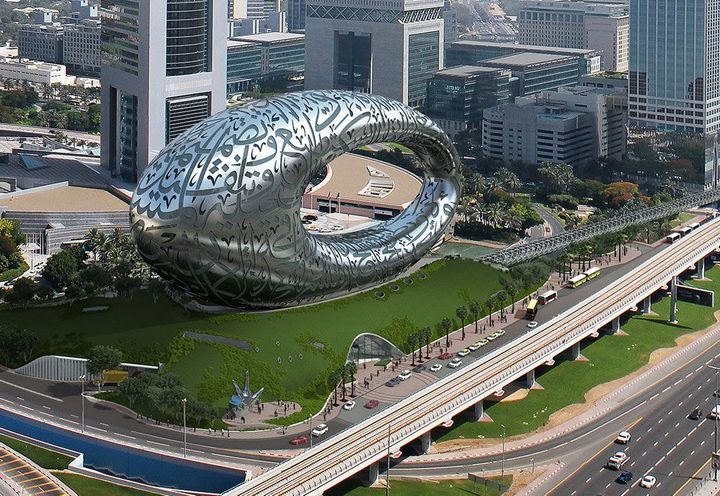
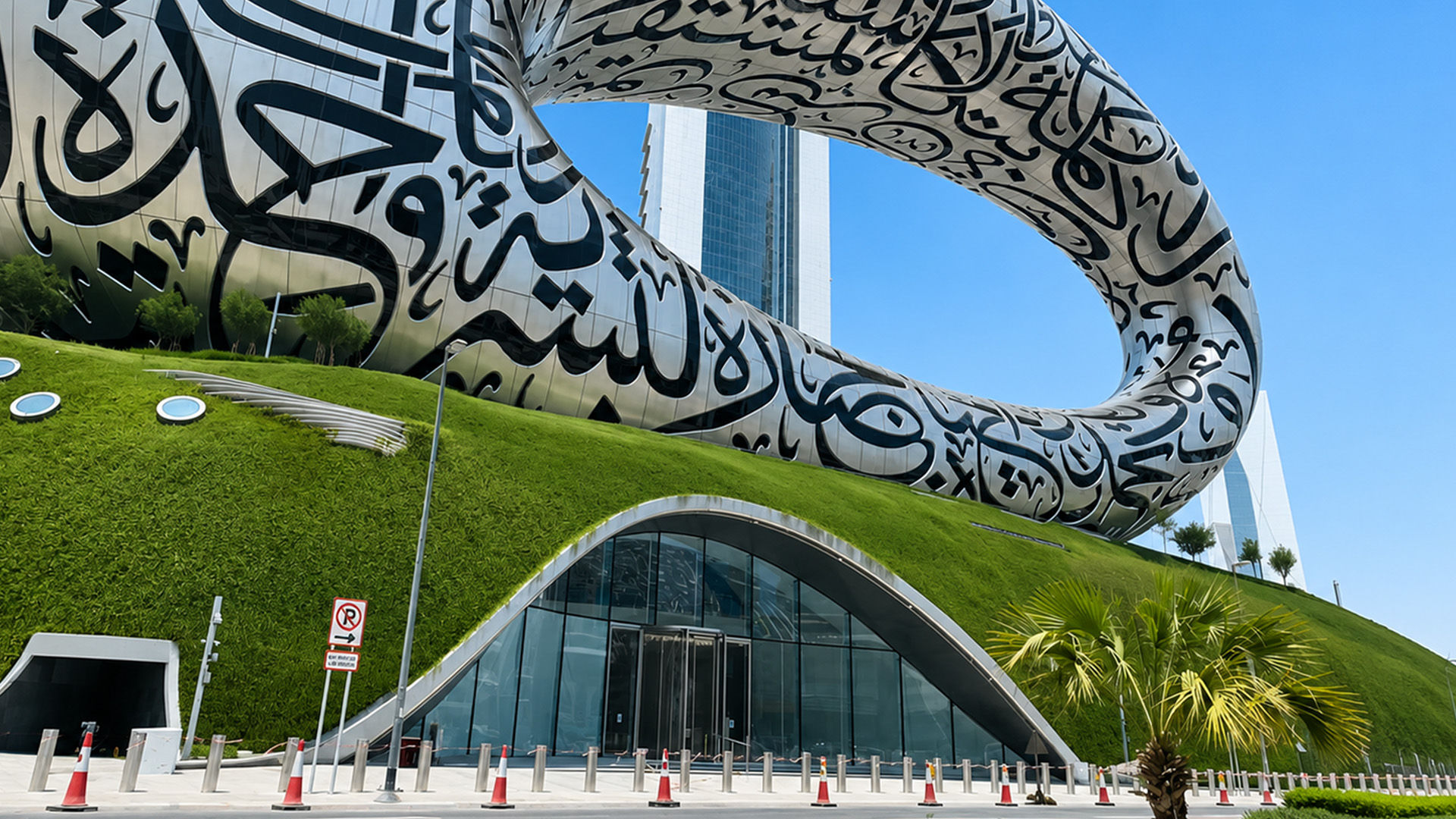
MUSEUM OF THE FUTURE
United Arab Emirates
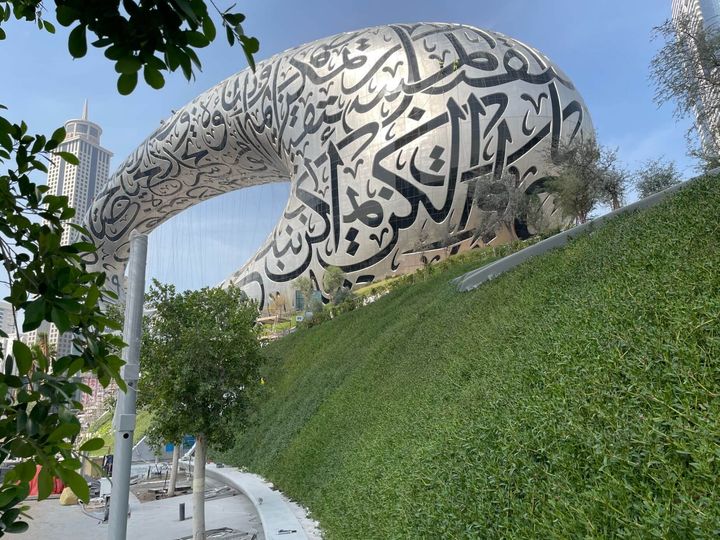
The Museum of the Future (MOTF) is a unique initiative by the Dubai government that explores the future of science, technology, and innovation and will be located at a prime spot in Sheikh Zayed Road and near the Burj Khalifa. The architect ‘Kila’ designed MOTF in three main parts: the lower green hill, the upper building, and the elliptical void, representing earth, mankind & innovation, respectively. The inspiration for the green hill was also to elevate the building calmly and unobtrusively above the metro line and create greenery in elevation where visitors can enjoy while engaging with the Museum. The green hill is to be done through a smooth transition from the site as an earthen, vegetated mound with a minimal visible built intervention. A three-story podium structure will be embedded inside the green hill, which will house the lobby, auditorium, cafés, restaurants, retail, car parking, etc. For the aforementioned reasons, the vegetated mount must be done as a THIN CLADDING of varying slopes rather than a solid earth hill.
Discover more
Deep dive into
BioMaterials
What we can do with
BioMaterials
Get in touch with us
[contactForm_txtSuccessSubmit]