
Siatki
Stalowe systemy ochrony przed obrywami skalnymi
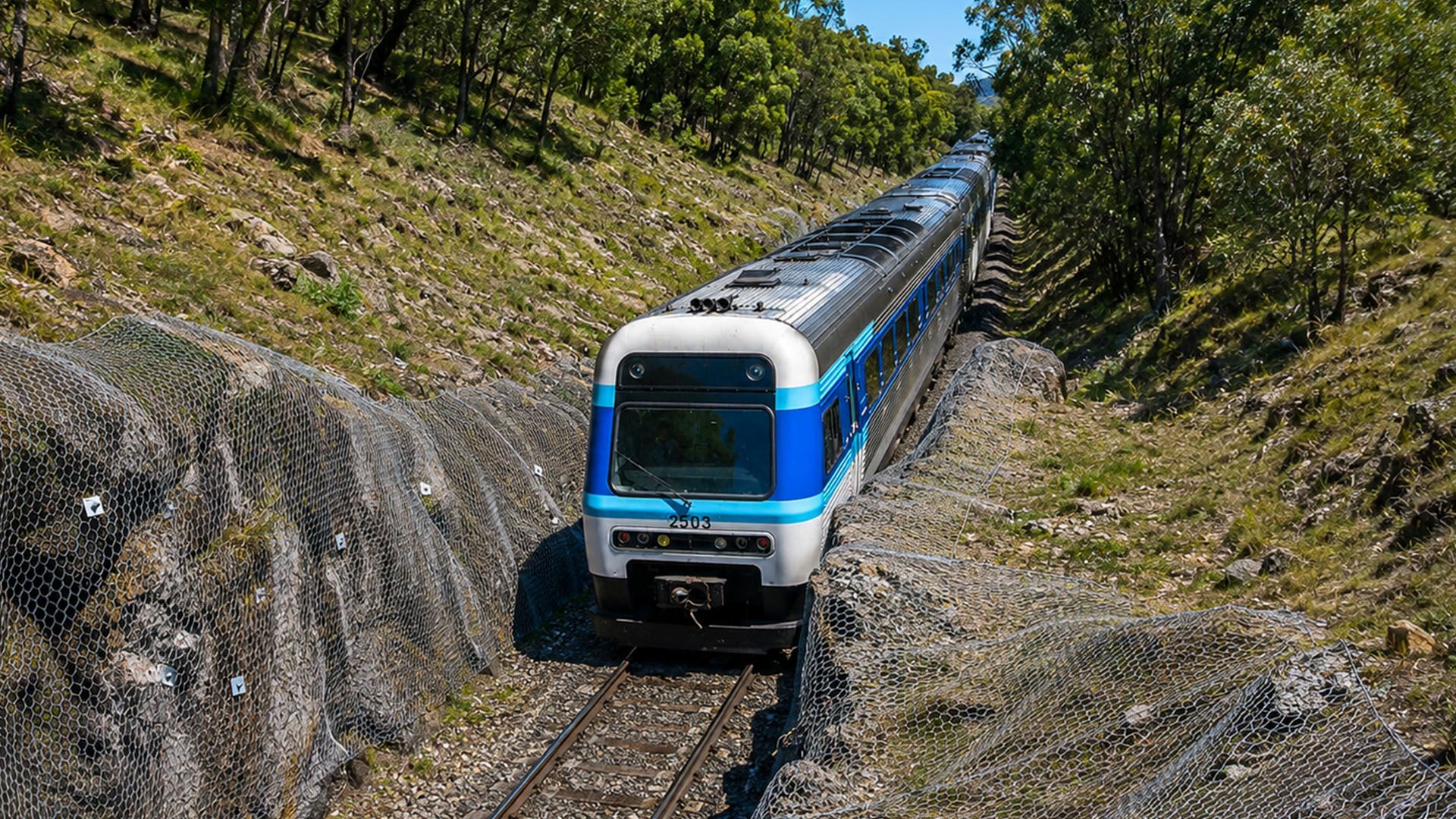
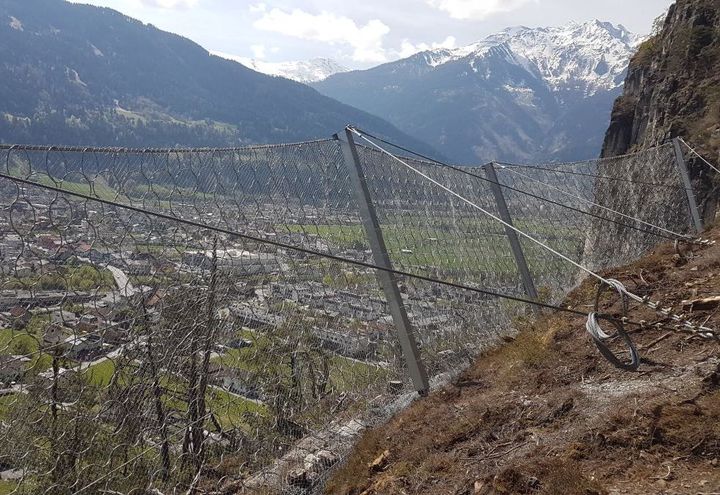
Siatka podwójnie splatana jest głównym komponentem systemów zabezpieczeń przed obrywami skalnymi i systemów ograniczania skutków zagrożeń naturalnych MacRO. To jeden z systemów siatek wyselekcjonowanych przez Maccaferri na podstawie analizy warunków terenowych i wymagań klientów.
Podwójnie pleciona siatka o sześciokątnym oczku wykorzystywana jest od ponad 50 lat w systemie kurtyn, który ma zapobiegać spadaniu odłamków skalnych na drogi i tory kolejowe. Dzięki podwójnemu splotowi siatka ta doskonale znosi uderzenia odłamków skalnych i nie rozplata się nawet jeśli w którymś miejscu drut zostanie przerwany. Siatka podwójnie splatana wykonana jest z wysokiej jakości stalowego drutu pokrytego grubą warstwą powłoki cynkowo-aluminiowej która zapewnia długotrwałą ochronę przed korozją. W szczególnie agresywnym środowisku, a także tam, gdzie wymagana jest dłuższa żywotność komponentów, drut pokryty jest dodatkową, ochronną powłoką polimerową.
Siatka podwójnie splatana produkowana jest w fabrykach Maccaferri na całym świecie. W wybranych fabrykach siatka produkowana jest zgodnie z zaleceniami Rozporządzenia w sprawie wyrobów budowlanych CPR nr 305/2011 posiadając oznakowanie CE zgodnie z ETA-16/0758. Systemy zarządzania i produkcji są zgodne z normami ISO 9001 oraz ISO 14001 (wymagania odnośnie systemów zarządzania środowiskowego). Lokalny przedstawiciel Maccaferri może udzielić bardziej szczegółowych informacji dotyczących certyfikacji i zgodności w danym regionie.
Success Stories
Built, not just drawn
Discover more
BEAVERNETTING EVERTSOORD
Netherlands
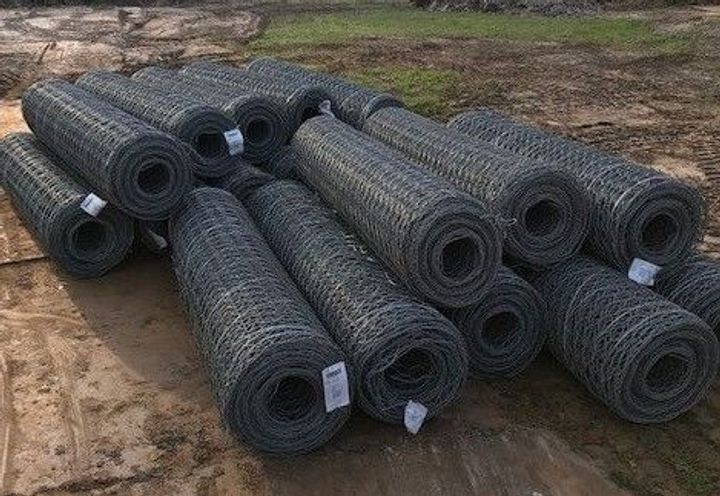
A thriving beaver population is threatening the stability of the Netherlands' sea defences. The Mammal Society has brought together other wildlife groups to work out how to protect these important water-blocking dykes from the small but potentially destructive semi-aquatic rodents. Beavers play an important ecological role in the Netherlands and were initially brought in to increase biodiversity. The beaver-breeding program began in 1988, and since then the beaver population has grown exponentially. There are now an estimated 700 beavers residing in the country's streams and canals. Triumphant mating habits combined with the beavers' ability to breed so successfully in the Dutch countryside mean they have been moving beyond the southern province of Limburg and entering towns and cities that may not be prepared for the influx. With the Dutch beaver population expected to hit around 7,000 by 2032, the need to take pre-emptive action is now a very important theme.
Discover more
HELMHOLTZ-ZENTRUM BERLIN ADLERSHOF
Germany
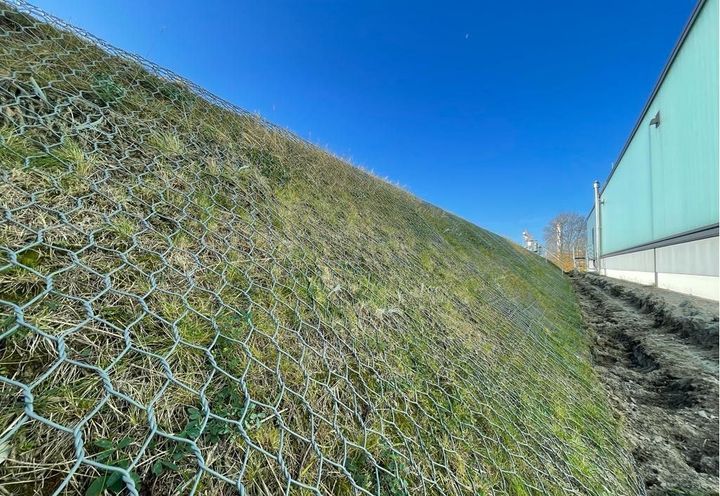
The University Campus in Berlin-Adlershof is well known for the many research institutions present in its area. One of those is the HZB Helmholtz - Zentrum Berlin, where a prototype of a linear accelerator with energy recovery is placed. In this building, electrons are accelerated to almost the speed of light using a great deal of energy. After passing through a high-speed path, the electrons are to be recaptured in bERLinPro and their energy recovered. Therefore the hall is protected by a reinforced soil structure made with the wrap-around system. In the last times, some foxes started to dig and excavate tunnels inside the embankment, creating some instability problems.
Discover more
LÖTZGALERIE
Austria
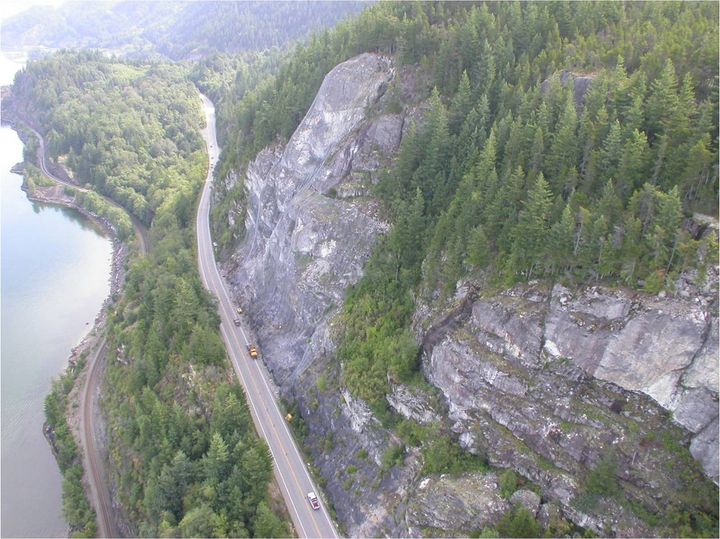
The busy Inntal motorway from Arlberg towards Innsbruck is a very important west-east connection. For the construction of a new gallery below steep rock faces, ASFINAG has planned 3000 kJ rockfall protection nets. These barriers will protect the construction site and the motorway during construction.
Discover more
Deep dive into
Siatki
What we can do with
Siatki
Get in touch with us
[contactForm_txtSuccessSubmit]