
MACRES
Innowacyjny system ścian oporowych dla lepszego wzmocnienia gruntu
Innowacyjny system ścian oporowych zapewniający doskonałe wzmocnienie gruntu
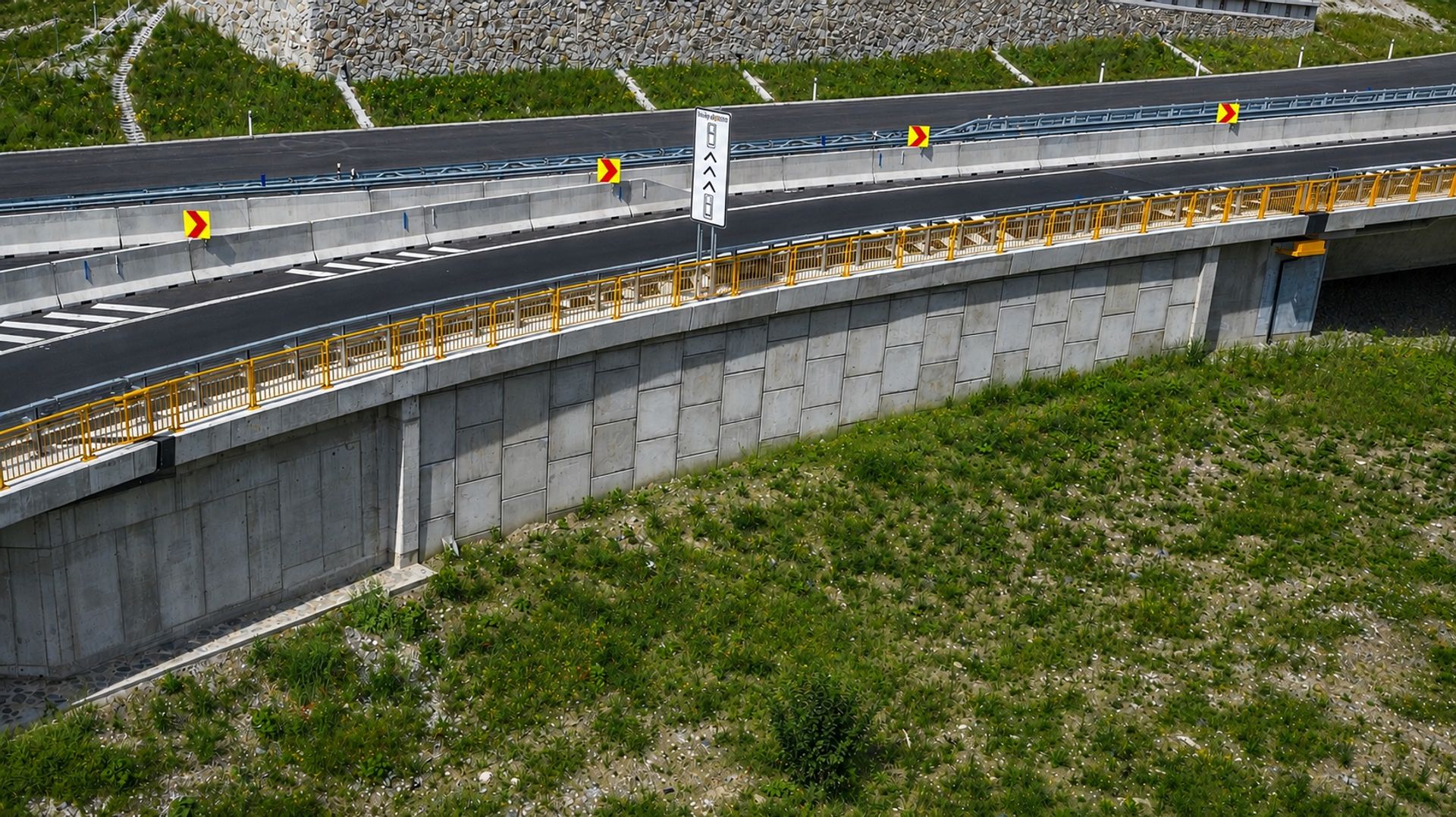
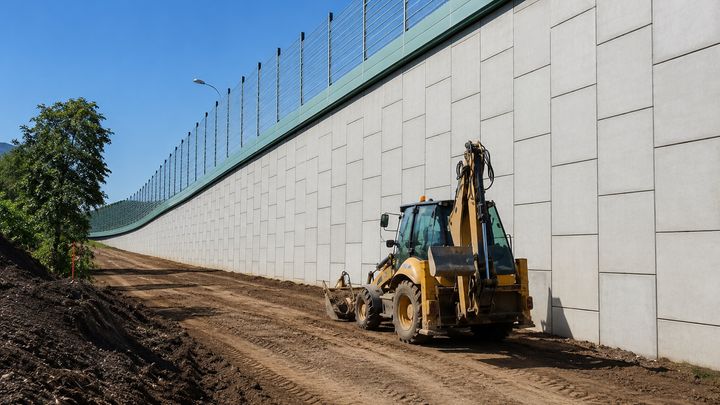
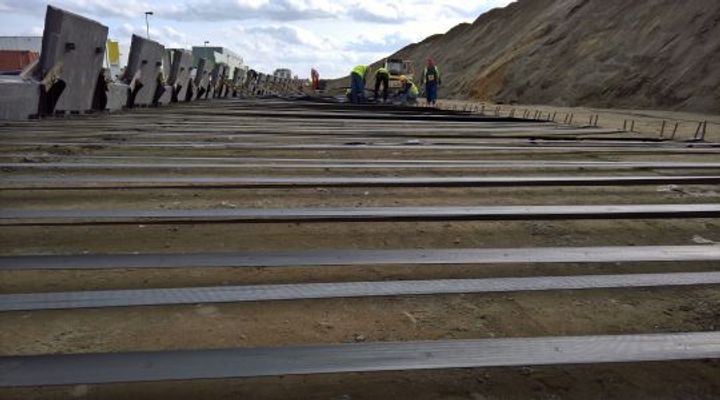
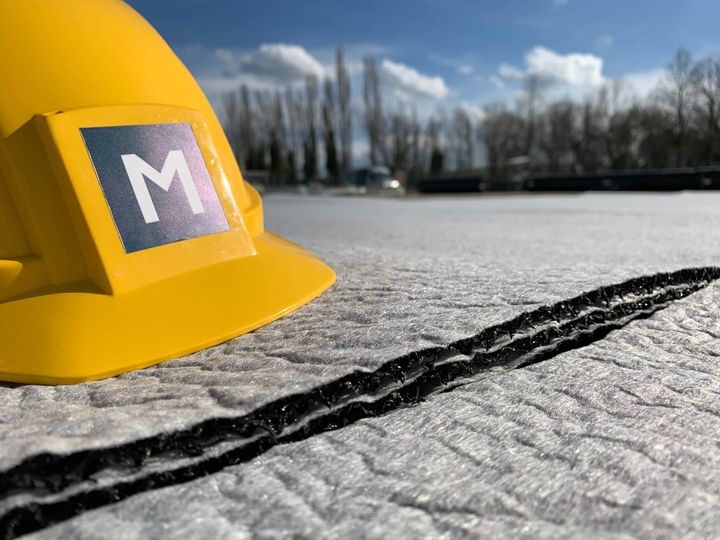
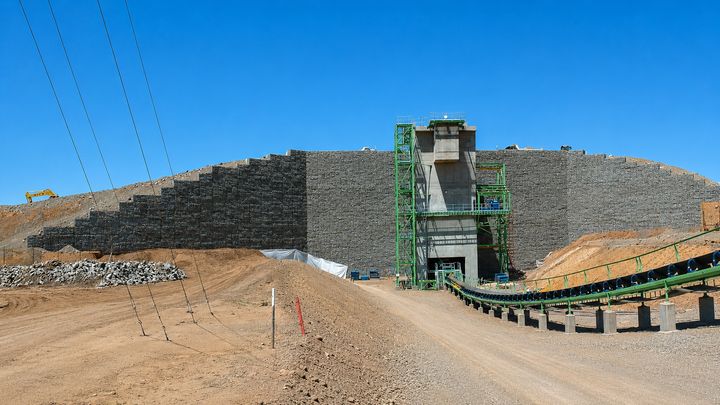
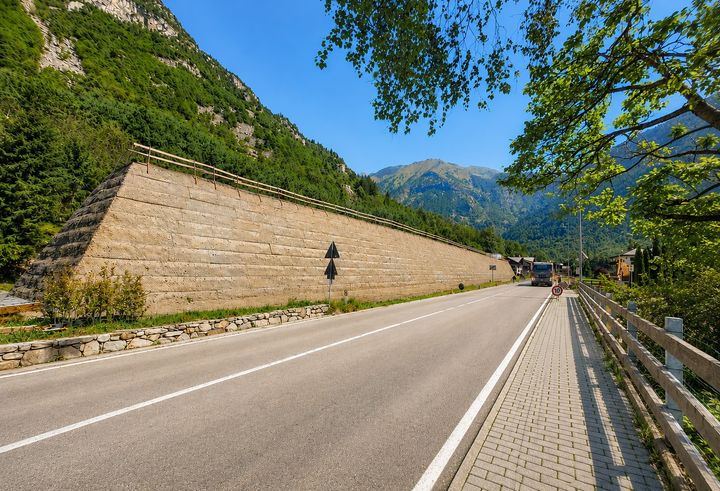
System MacRes® firmy Maccaferri łączy pionowe, dyskretne prefabrykowane betonowe panele okładzinowe z zaawansowanymi taśmami wzmacniającymi ParaWeb®, wykonanymi z poliestrowej przędzy o wysokiej wytrzymałości, zamkniętej w trwałej powłoce polietylenowej. Ta innowacyjna konstrukcja zapewnia wyjątkową odporność na substancje chemiczne, co czyni ją idealnym rozwiązaniem w wymagających środowiskach, gdzie trwałość i niezawodność są kluczowe. Geostruktury ParaWeb® są bezpiecznie połączone z panelami betonowymi za pomocą opatentowanego systemu połączeń Maccaferri, co gwarantuje niezrównaną wytrzymałość strukturalną i stabilność całej konstrukcji.
Idealny do projektów infrastrukturalnych i urbanistycznych, MacRes® zastępuje tradycyjne konstrukcje oporowe nowoczesnym, wysokowydajnym rozwiązaniem, które zapewnia doskonałą wydajność tarcia i wyrywania. Niezależnie od tego, czy masz do czynienia ze stromymi zboczami, zatrzymywaniem masy gleby, czy złożonymi wymaganiami konstrukcyjnymi, MacRes® gwarantuje długoterminową wydajność, bezpieczeństwo i stabilność, nawet w najbardziej wymagających zastosowaniach.
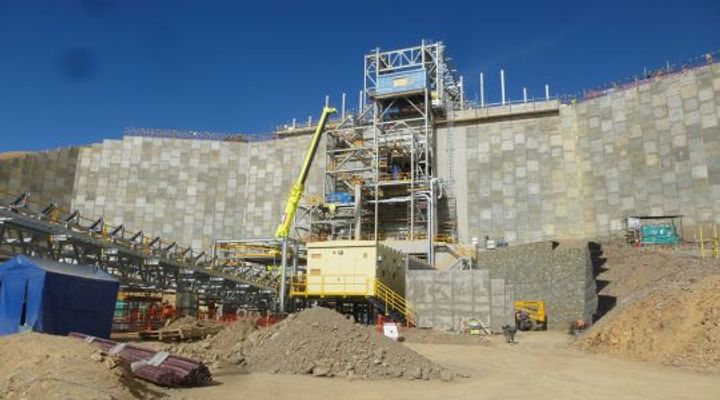
Maccaferri oferuje dedykowane wsparcie inżynieryjne na każdym etapie projektu. Od wstępnych konsultacji i spersonalizowanego projektu po instalację i bieżącą pomoc techniczną, nasz zespół ekspertów współpracuje z Tobą, aby zapewnić najlepsze wyniki. Dzięki reputacji doskonałości i wieloletniemu doświadczeniu, system MacRes® firmy Maccaferri cieszy się zaufaniem na całym świecie ze względu na najnowocześniejszą technologię i sprawdzoną wydajność w zakresie wzmacniania gruntu i rozwiązań ścian oporowych. Ponadto system MacRes® może być płynnie zintegrowany z modelowaniem informacji o budynku (BIM), zwiększając dokładność projektowania i współpracę na każdym etapie cyklu życia projektu.
Success Stories
Built, not just drawn
Discover more
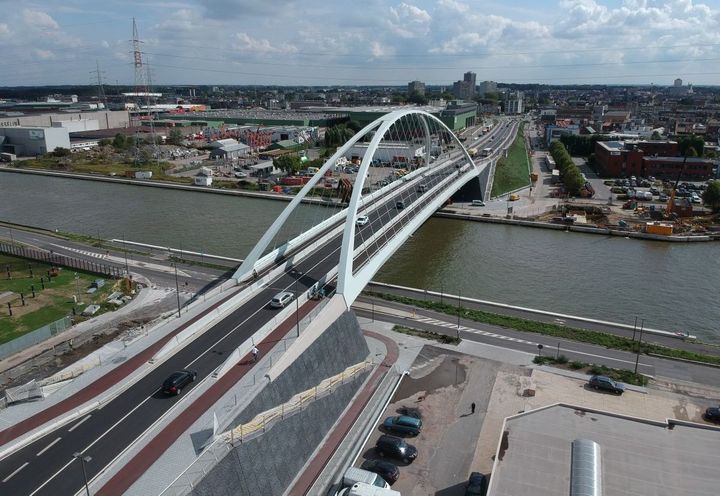
BRUG VAN DEN AZIJN
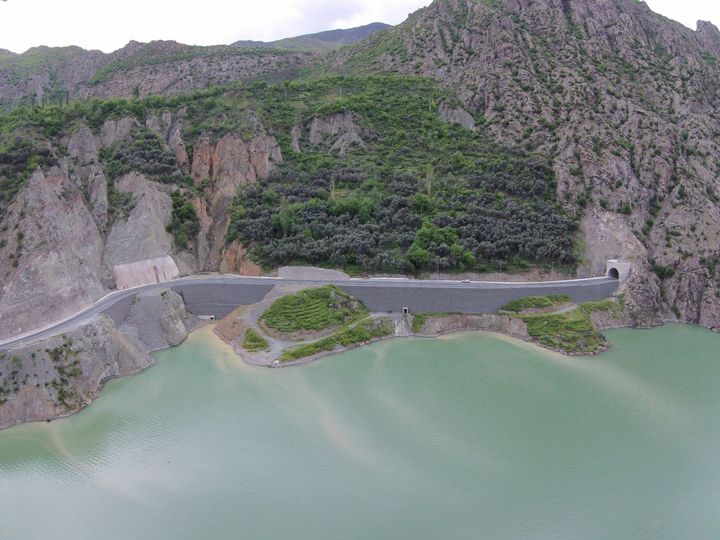
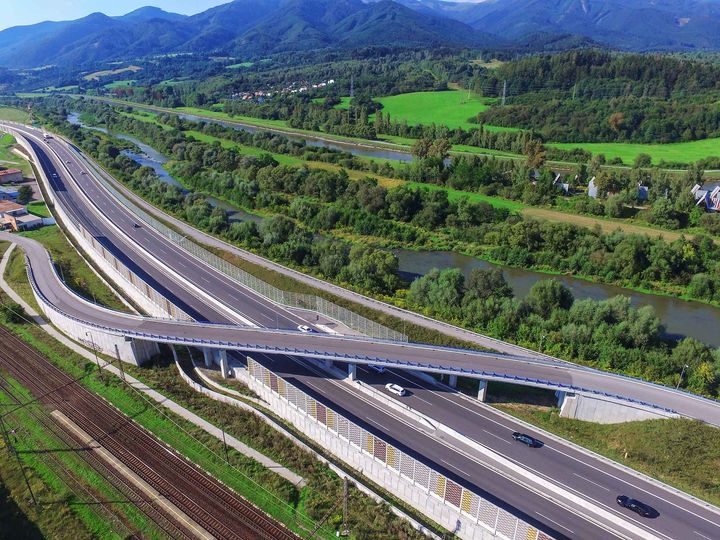
De Vlaamse Waterweg (Flemish Waterway Authority) invested more than 15 million Euro in the construction of the new Burgemeester Eduard Waghemansbrug, better known as Brug van den Azijn. 12. 5 million were dedicated to the bridge construction while 2. 5 million for the widening of the N130 between the district of Merksem and Deurne. The project included bus lanes in both directions, a one-way cycle lane, and a pedestrian path. The abutments were designed to support a 123 m span arch bridge, approximately 16 m wide. The new bridge clearance was targeted to be 9. 1 m high, allowing the passage of ships with four layers of containers. The architects of the project designed an articulated façade for the bridge structures. Therefore, the reinforced soil walls and the true abutments were designed with a 75° inclination.
Discover more
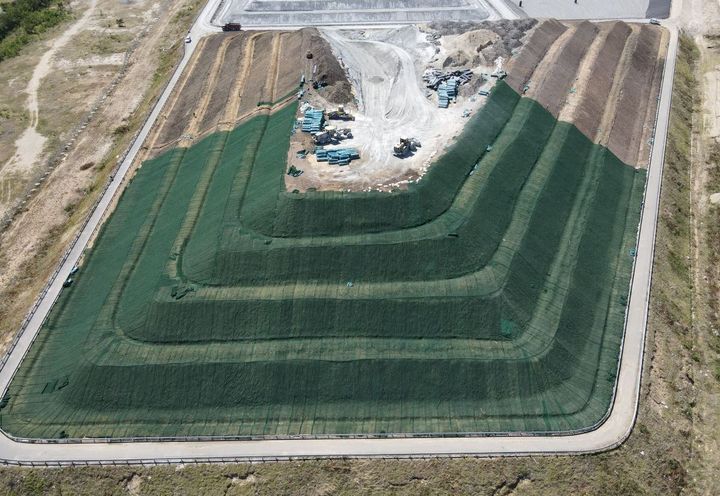
The Ash Yard of the Thermal Power Plant
The Punta Catalina thermoelectric power plant is the most important electricity generator in the Dominican Republic, as it produces 30% of the country's electricity. Its source of generation is coal, and as a byproduct of this process, residue known as ASH is produced. This ash is destined for confined cells due to its high content of heavy metals, preventing environmental damage to both the subsoil and the dispersal of volatile ashes in the air.
Discover more
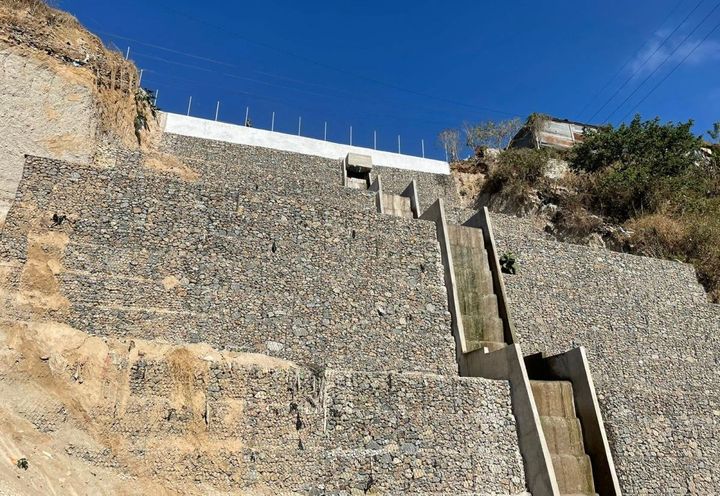
Rehabilitation due to Undermining in Villalobos
There is a significant erosion issue posing a risk to the stability of the area. Due to the erosion caused by a transverse culvert, the safety factors of the slope are compromised, exacerbating the situation. Additionally, the presence of a river at the base of the slope, flowing into the southern basin of Guatemala, exacerbates the problem due to flooding and ongoing rains that continue to erode the area. A protective structure with metal mesh DT is required to safeguard the integrity of the infrastructure.
Discover more
Deep dive into
MACRES
What we can do with
MACRES
Get in touch with us
[contactForm_txtSuccessSubmit]