
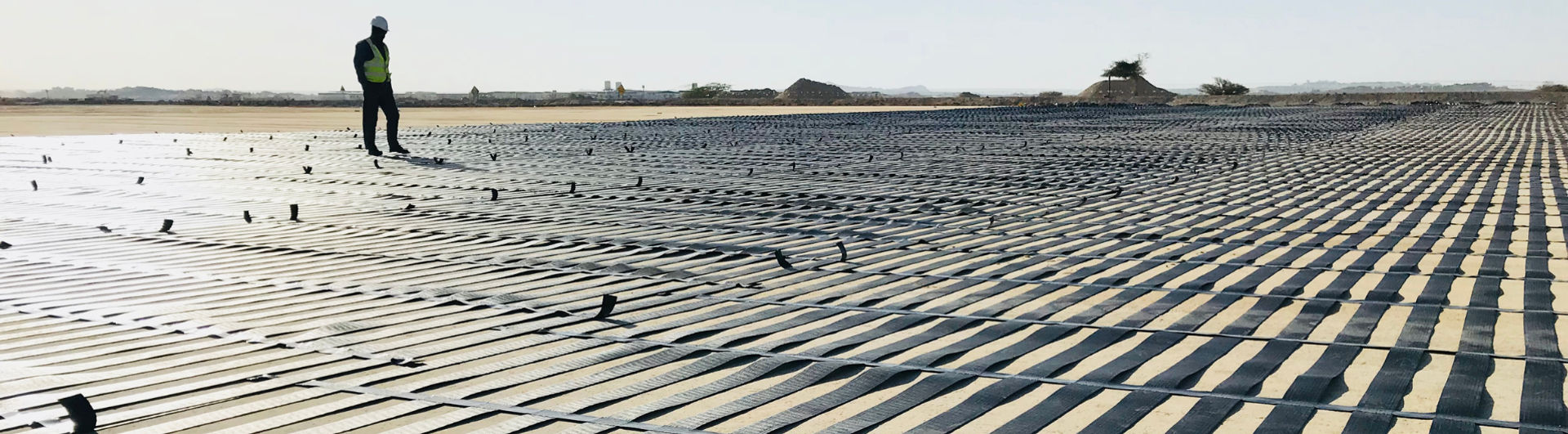
MonoAxial GeoGrids
Soil reinforcement for stable structures
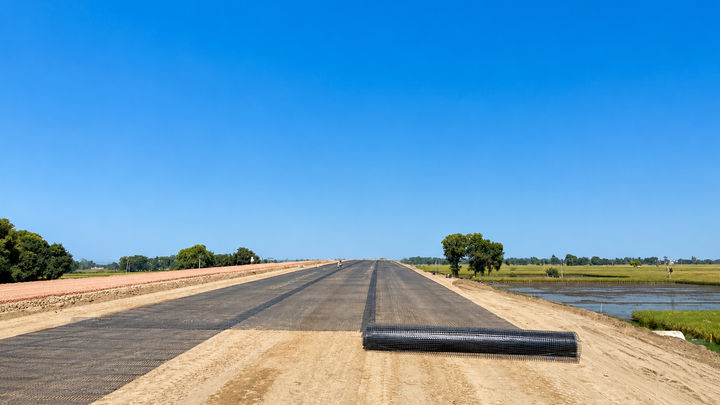
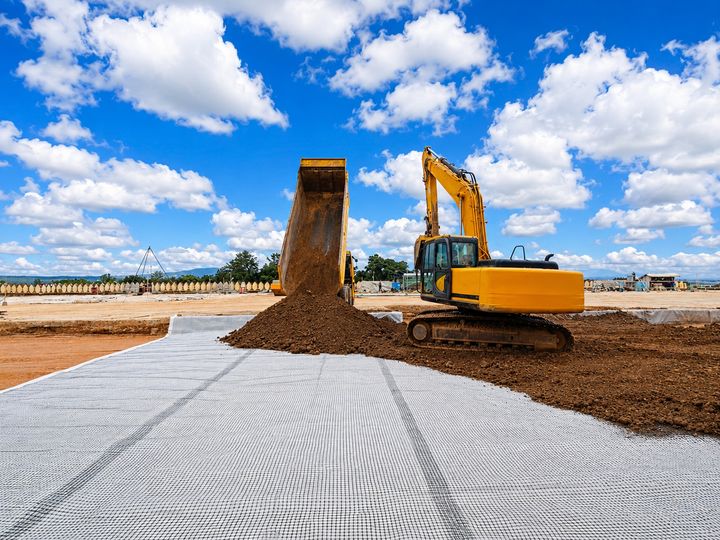
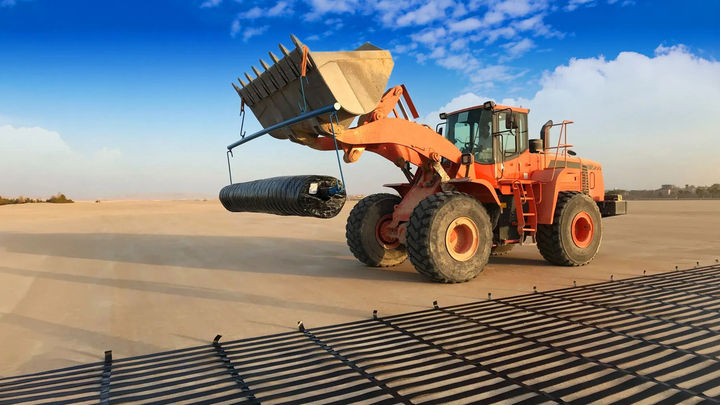
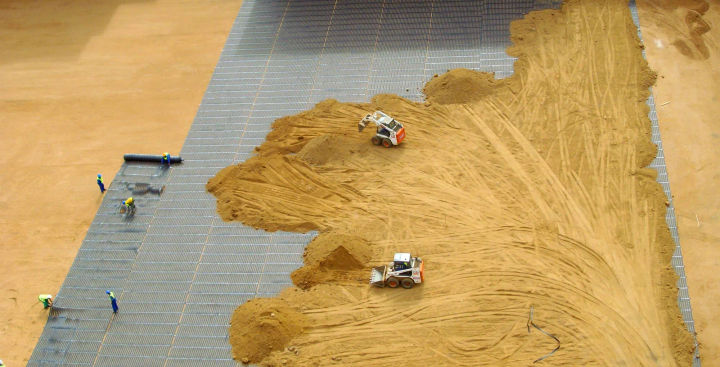
Geogrids are used mostly for reinforcement purposes being their peculiar structure able to provide the necessary strength to reinforce the filling material.
Monoaxial type are characterized by having a main tensile strength, normally in the MD direction, where the CMD performances are reduced to minimum as requested by the manufacturing geogrid technology.
Maccaferri range is very specialized where each family has been specifically designed and developed to target at best the necessary requirements (not only from the technical point of view – mechanical performances in the short and long term, durability, interaction with the soil – but also from a sustainability prospective – impact on the environment, recycling or reuse etc).
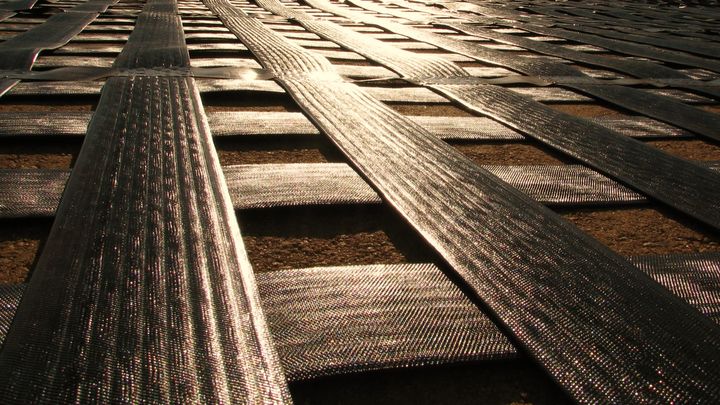
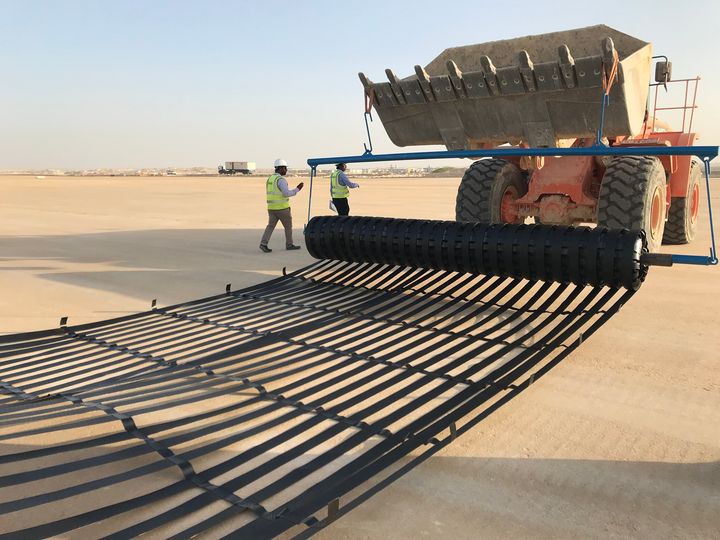
The ParaProduct types represent the excellence available by Maccaferri (the all products are BBA certified) and are tailored as:
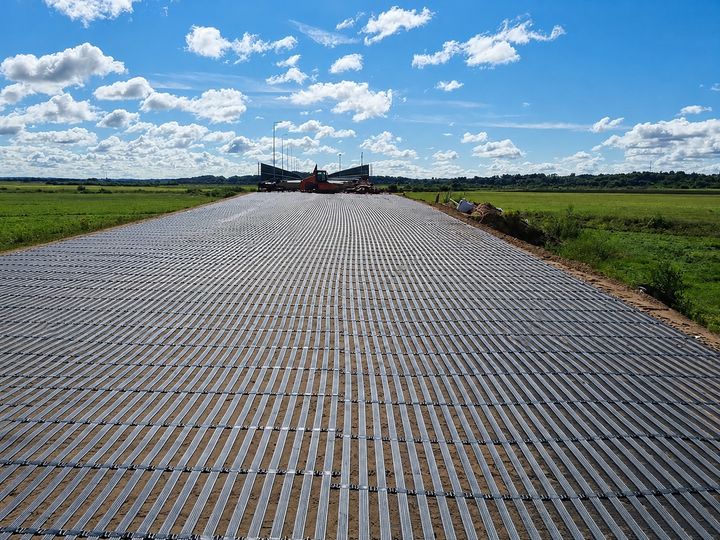
ParaGrid
High tenacity core with a thick PE coating with strength from 30 to 200 kN/m to be used in standard soil reinforcement applications (mostly retaining structures) in any soil including aggressive ones characterized by high values of ph
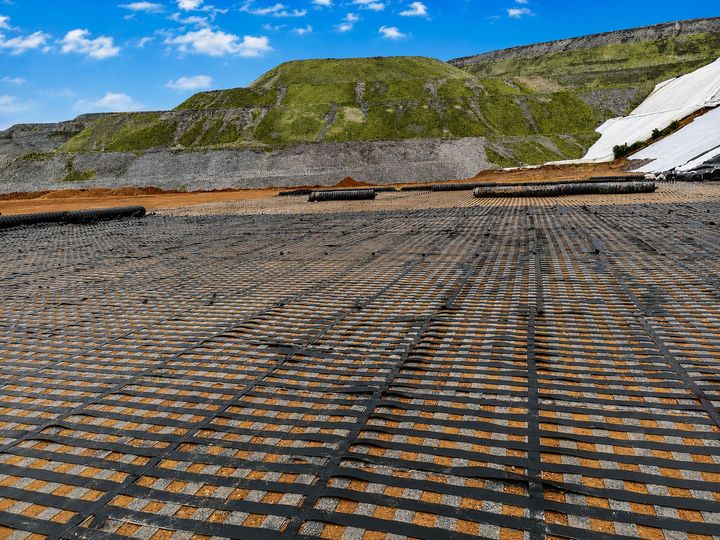
ParaGrid HF
Similar to ParaGrid as structure but mostly used in combination with Terramesh units as primary reinforcement. Their strength varies from 90 to 250 kN/m and can be used in any soil including aggressive ones characterized by high values of ph
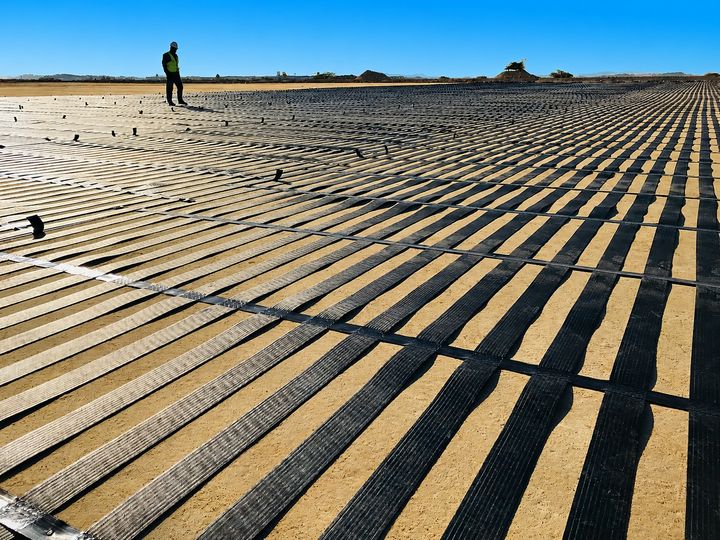
ParaLink
Again a strip based structure mostly used in basal reinforcement applications (but not exclusively) as piled embankment foundations, sink holes application or foundation on soft soils. Their strength varies from 300 to 1600 kN/m and can be used in any soil including aggressive ones characterized by high values of ph
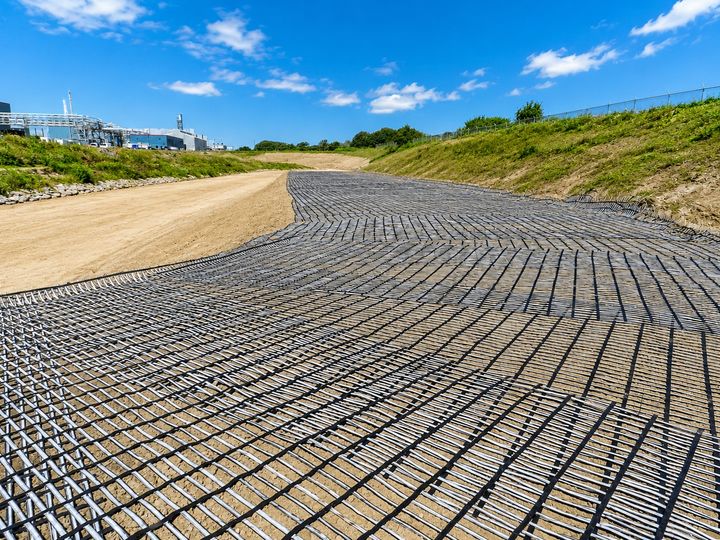
ParaDrain
Similar to ParaGrid but with a draining capacity in the MD direction obtained by shaping the strips with a channel profile closed by a geotextile filter. This unique composite is designed to be used with very thin or cohesive soils in very demanding geotechnical situations.
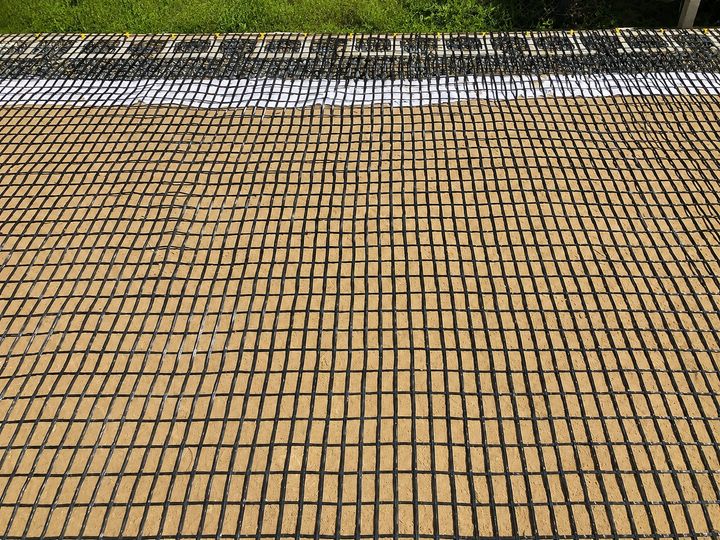
Paragrid W
An enhanced high performance knitted geogrid characterized by a very high modulus and the lowest reduction factors. Designed for standard soil reinforcement application with a specific focus on segmental wall applications. This family is suitable for use with standard soils characterized by 4</=ph</=9
Success Stories
Built, not just drawn
Discover more
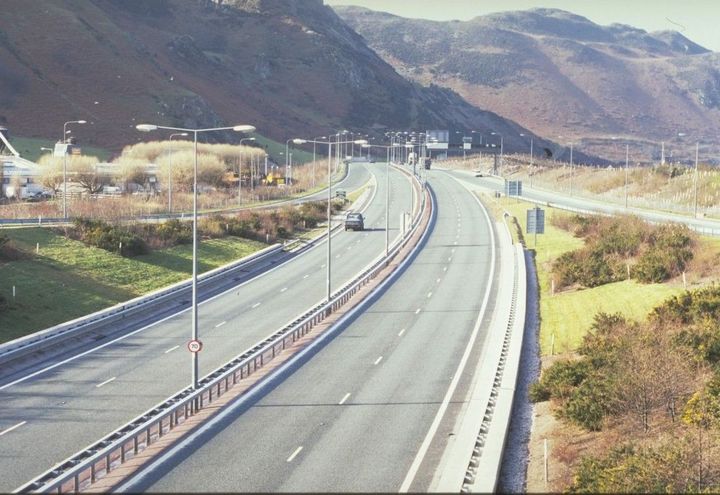
Embankment Construction over Soft Estuarine Clay
United Kingdom
As part of a major infrastructure programme to create a continuous grade-separated carriageway along the North Wales coastline, this project aimed to improve transport connectivity between Ireland (via Holyhead) and key Channel ports. A critical section of the scheme involved constructing the approach to an immersed tunnel beneath the Conwy estuary. The primary engineering challenge was the construction of an 8-metre-high road embankment over extremely poor ground conditions. The subsoil consisted of soft alluvial estuarine clay, known for its low strength and high compressibility, making it highly susceptible to settlement and instability. Compounding the issue was an overlying layer of heterogeneous refuse material, ranging from 1 to 4 metres in thickness, which further reduced ground reliability and increased the risk of differential settlement. Without appropriate ground improvement and reinforcement, the embankment could have experienced excessive settlement, uneven deformation, and potential structural failure, posing serious risks to the long-term performance of this critical transport link.
Discover more
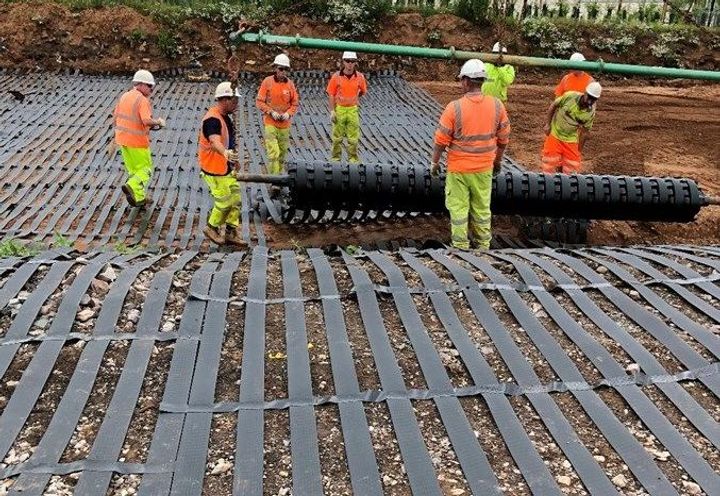
Gateway South Coventry Geogrid Reinforced Platform Over Landfill
United Kingdom
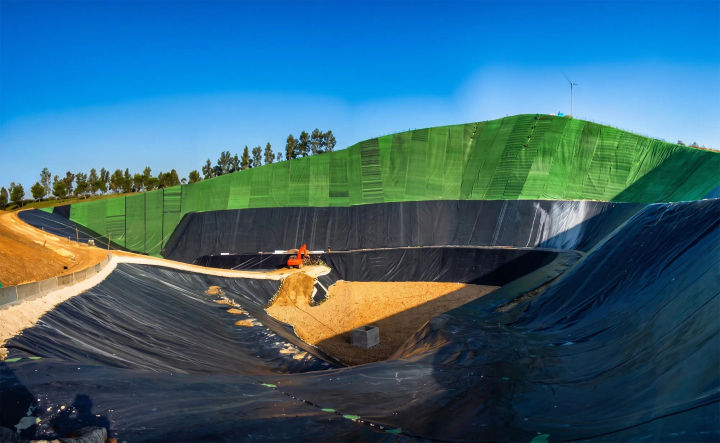
In early 2020, SEGRO, a leading Real Estate Investment Trust, acquired a 450-acre site adjacent to Coventry Airport to expand its UK logistics portfolio. The development, known as Gateway South Coventry, is strategically located near the A45 with direct access to major motorway networks including the M6, M69, M40, and M1. The project involves the construction of 3. 7 million sq ft of industrial and warehouse space, with a total development value exceeding £400 million. A major challenge within the project was the need to construct a new access road linking to the recently developed Rowley Road roundabout. The road alignment passed through a narrow corridor between the UK Battery Industrialisation Centre and Coventry Airport, significantly limiting available construction space. Compounding this constraint, part of the road needed to be built over a former landfill site. Due to environmental and spatial limitations, excavation and removal of the landfill material were not viable options. This presented a high risk of differential settlement, which could lead to long-term structural instability of the road. To overcome this geotechnical challenge, a piled solution combined with a basally reinforced platform was proposed.
Discover more
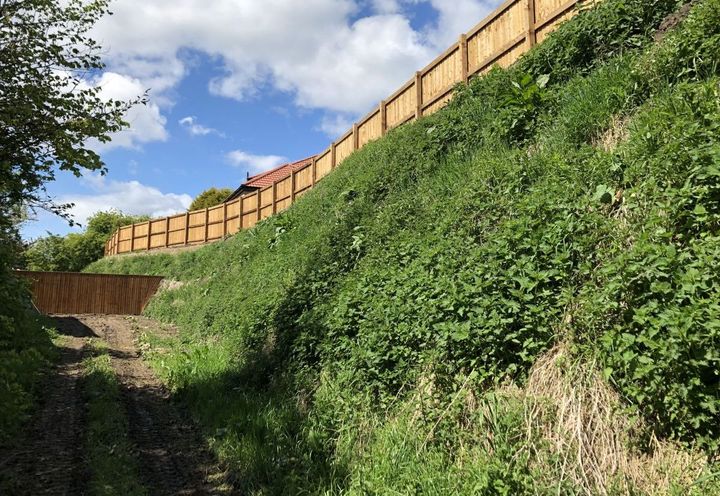
Green Terramesh Reinforced Soil Retaining Wall in Sheffield
United Kingdom
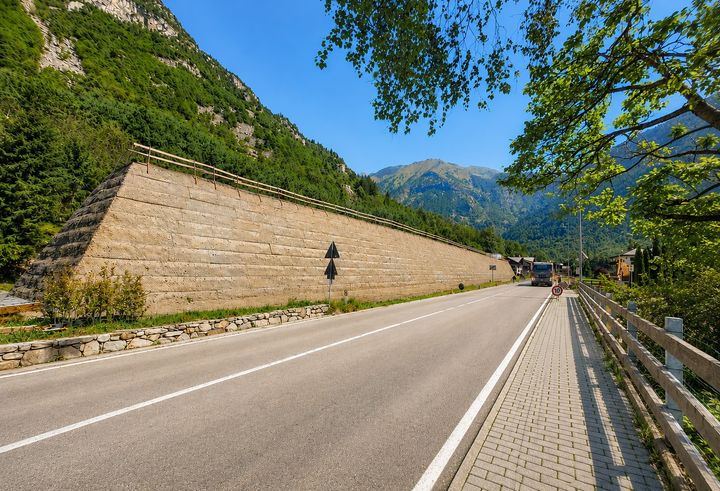
A residential development by Newett Homes in Sheffield required the construction of retaining structures to maximise the usable space and optimise plot layouts across the site. The scheme presented both technical and environmental challenges, as the retaining solution needed to accommodate varying heights while remaining visually acceptable to surrounding properties. Given that sections of the structure would be clearly visible to neighbouring residents, aesthetics were an important consideration alongside performance. In addition, the project had to be delivered within a defined budget, placing further emphasis on identifying a cost-effective yet durable solution. Maccaferri was therefore approached to develop a system that could balance structural requirements, visual integration, sustainability, and economic constraints. A residential development by Newett Homes in Sheffield required the construction of retaining structures to maximise the usable space and optimise plot layouts across the site. The scheme presented both technical and environmental challenges, as the retaining solution needed to accommodate varying heights while remaining visually acceptable to surrounding properties. Given that sections of the structure would be clearly visible to neighbouring residents, aesthetics were an important consideration alongside performance. In addition, the project had to be delivered within a defined budget, placing further emphasis on identifying a cost-effective yet durable solution. Maccaferri was therefore approached to develop a system that could balance structural requirements, visual integration, sustainability, and economic constraints.
Discover more
Deep dive into
MonoAxial GeoGrids
What we can do with
MonoAxial GeoGrids


Applications
Solutions
Get in touch with us
[contactForm_txtSuccessSubmit]