
GCL
High-Performance Geo-Clay Liners for Low Permeability Barriers
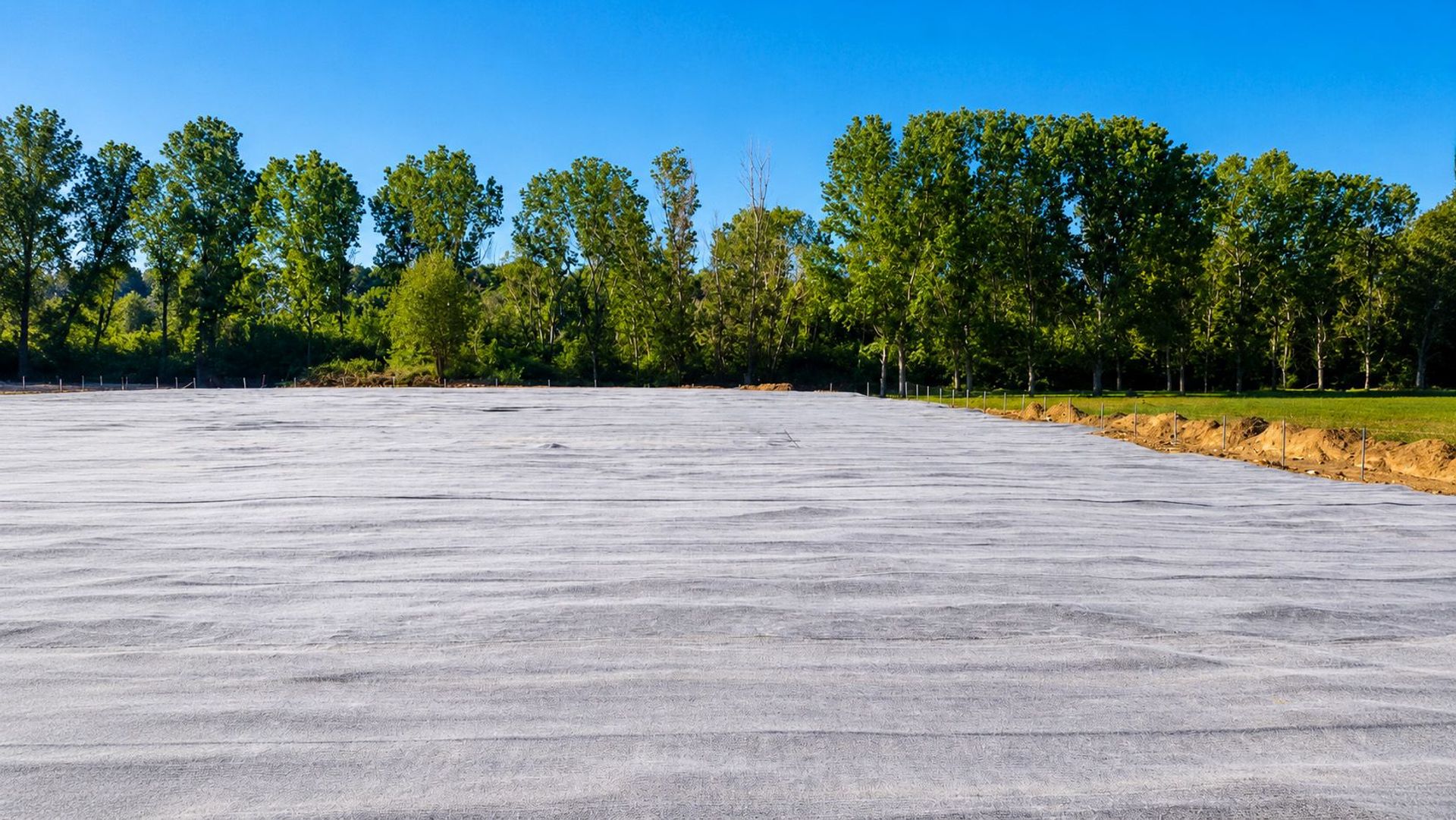
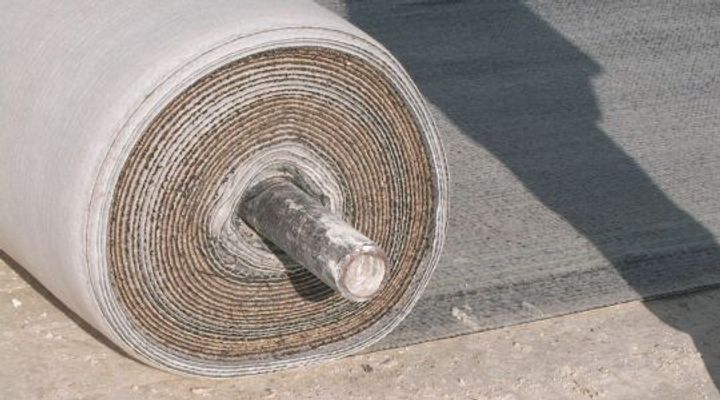
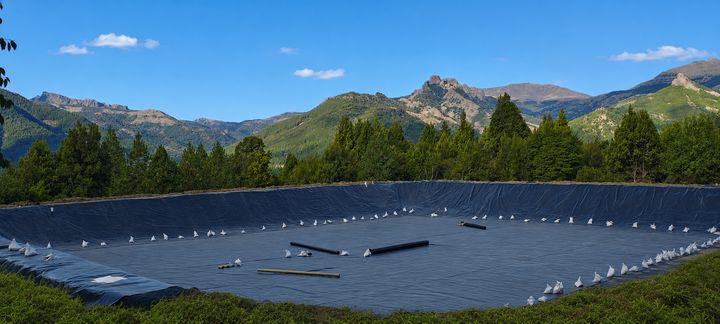
Geo-Clay-Liners (GCL) are composite barriers created by encapsulating a bentonite layer between two geotextiles, typically through a needle-punching process. When hydrated, the bentonite expands to form a highly effective low-permeability lining system, ideal for creating geological barriers and waterproofing systems. These liners provide reliable protection in a variety of environmental and construction projects, where controlling water movement and contamination is critical.
Backed by Maccaferri’s decades of experience in geotechnical solutions, GCL can also be laminated with polymeric films or thin membranes to further reduce permeability and enhance durability for demanding applications. Whether it’s used in landfills, mining operations, or environmental containment, Maccaferri’s expertise ensures that GCL systems deliver long-term performance and reliability, offering the best in barrier technology for challenging conditions.
Success Stories
Built, not just drawn
Discover more
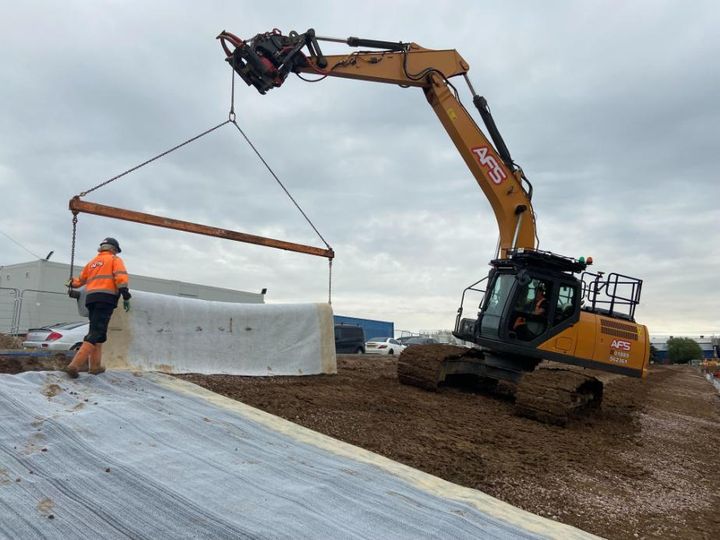
Attenuation Pond Lining Solution for Lidl Bottling Plant
United Kingdom
During the construction of Lidl’s £50 million water bottling plant at Dove Valley Park in Foston, Derbyshire, a critical infrastructure challenge emerged. The 540,000 sq ft development required the installation of a large attenuation pond to manage surface water drainage across the site. However, the proposed pond location consisted of highly permeable sandy ground. This created a significant risk of water seepage, as surface water stored in the attenuation pond could easily infiltrate the subsoil and leach into the underlying aquifer. This was particularly concerning because the same aquifer was being utilised as a water source for the bottling facility. To ensure environmental protection and regulatory compliance, it was essential to implement a reliable pond lining system that would provide effective impermeability. The solution needed to prevent groundwater contamination, maintain water storage efficiency, and be suitable for the challenging ground conditions while supporting sustainable construction practices.
Discover more
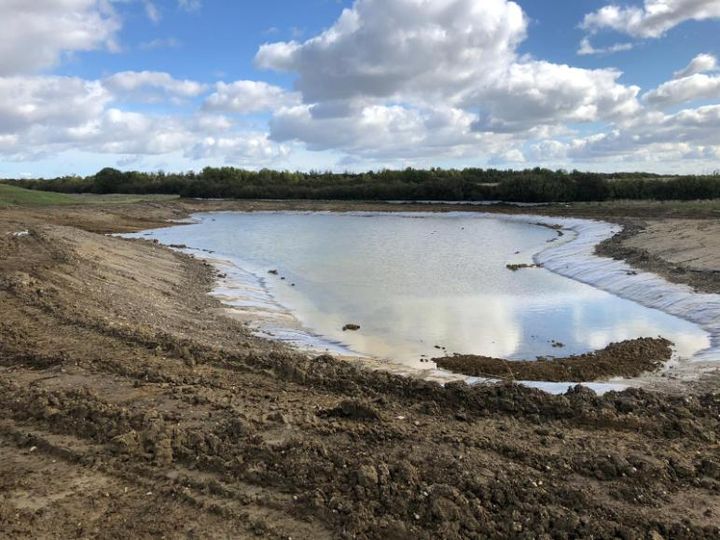
Burghley Green Sustainable Drainage Geosynthetic Clay Liners (GCL) Solution
United Kingdom
Burghley Green, a high-quality residential development by Taylor Wimpey in West Cambourne, Cambridgeshire, was constructed on a former greenfield site. The transition from natural land to a built environment introduced a significant increase in impermeable surfaces, including roads, rooftops, and paved areas. This change disrupted the site’s natural drainage patterns, leading to increased surface water runoff and a higher risk of localised flooding. To address these challenges, a robust Sustainable Drainage System (SuDS) strategy was required. The design incorporated a series of attenuation ponds to manage stormwater, reduce runoff rates, and improve water quality. These drainage ponds also needed to meet environmental and aesthetic objectives, enhancing the landscape while supporting biodiversity through the creation of habitats for aquatic plants and wildlife.
Discover more
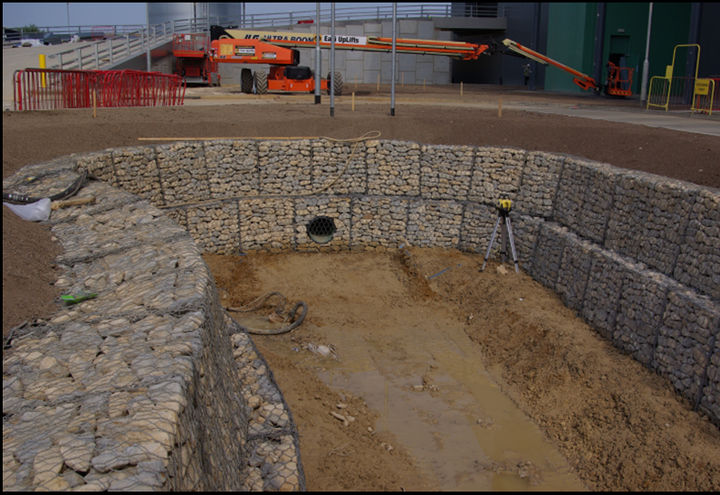
Lincolnshire EfW Drainage Solution High Groundwater Lagoon Design with MacLine® GCL
United Kingdom
The construction of Lincolnshire’s state-of-the-art Energy from Waste (EfW) recycling facility at North Hykeham, Lincoln, presented complex drainage and water management challenges due to difficult ground conditions. The site is located on low-lying brownfield land with a consistently high groundwater table, significantly restricting conventional approaches to surface water control. Under normal circumstances, a Sustainable Drainage System (SUDS) would be implemented using large attenuation ponds to manage surface water runoff from buildings and hardstanding areas. These systems depend on natural infiltration and controlled discharge into surrounding watercourses. However, the high groundwater levels at this site made infiltration ineffective, while the limited available space ruled out the installation of large ground-level attenuation ponds. Alternative solutions, such as above-ground attenuation ponds designed for gravity-assisted drainage, were also considered. However, these options were deemed cost-prohibitive and unsuitable given the site constraints. As a result, the project required an innovative, space-efficient, and cost-effective stormwater management solution capable of operating independently of subsoil percolation.
Discover more
Deep dive into
GCL
What we can do with
GCL


Get in touch with us
[contactForm_txtSuccessSubmit]