
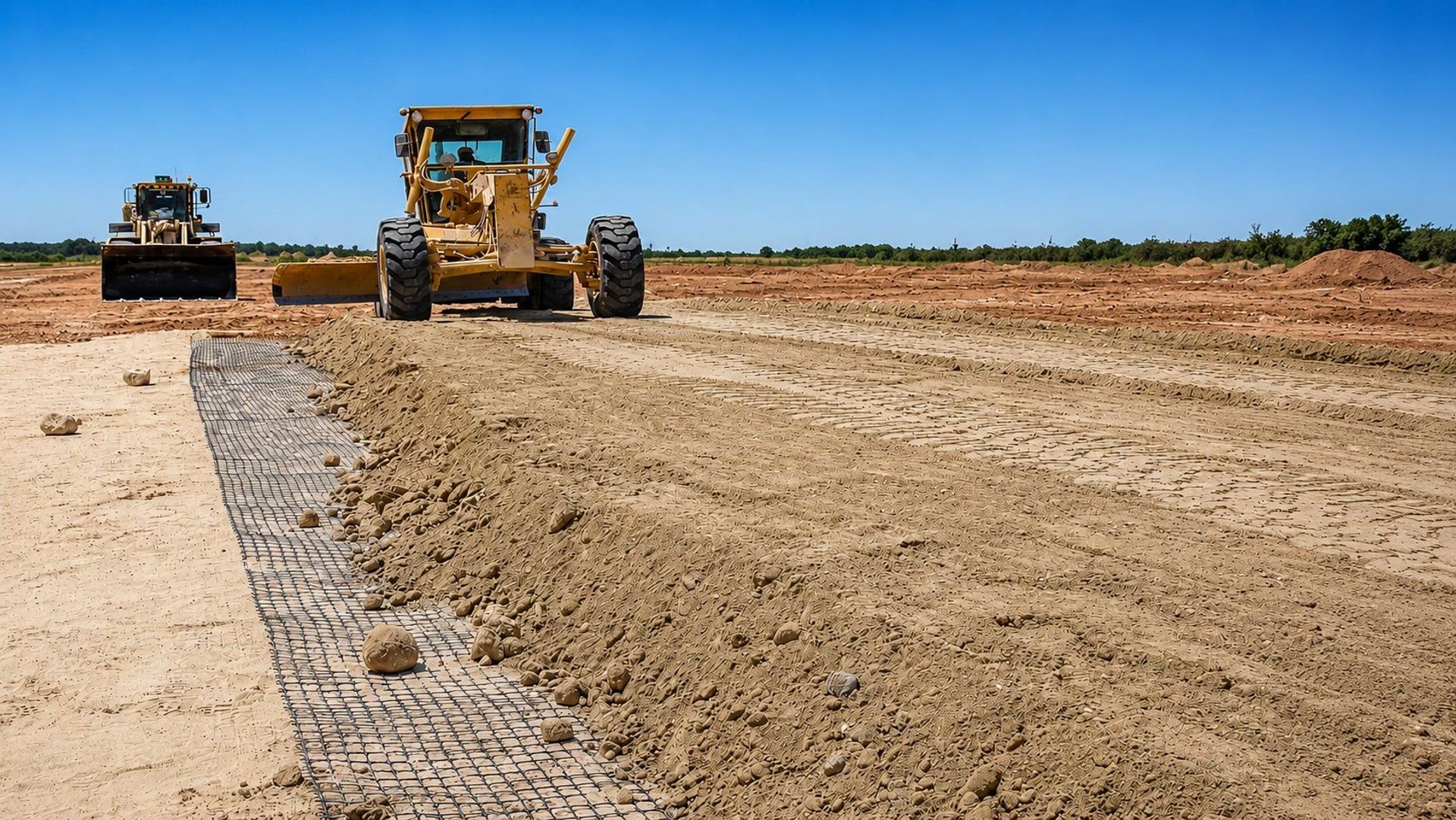
Biaxial Geogrids
Soil reinforcement for road stabilization
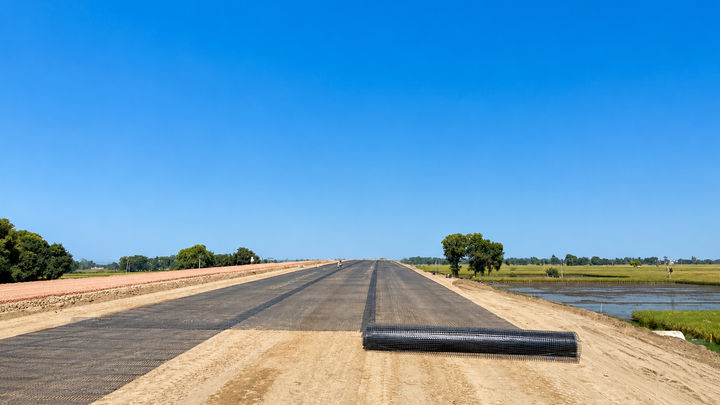
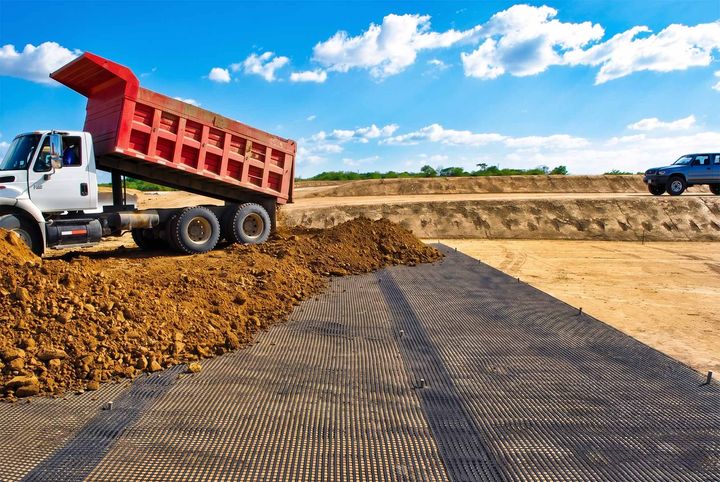
Biaxial geogrids are used mostly for reinforcement purposes in soil stabilization applications their symmetric-multiaxial structure can increase the bearing capacity of the existing subsoil providing the necessary strength and confinement effect. The tensile strength and the geometry of these geogrids are normally symmetric with tensile strengths from 20 to 300 (or even more) kN/m but three or more axis versions are available; also the polymer and the opening shapes can vary according to the tensile requirements and the fill properties.
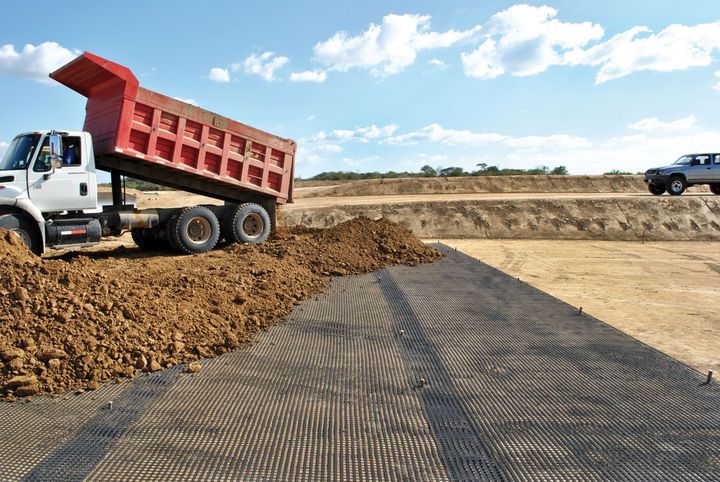
Maccaferri’s range includes different families of products:
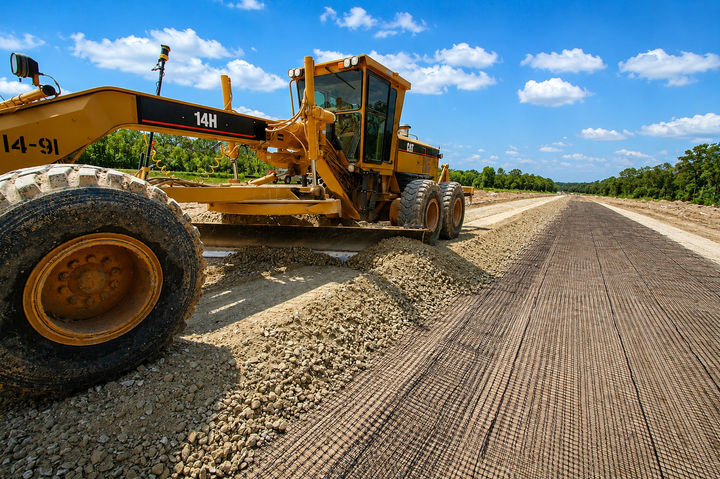
MacGrid EG
Extruded polypropylene geogrids with a symmetric tensile strength of up to 50 kN/m; successfully used in single or multiple layers for many decades in soil stabilization applications is an essential component of many combo-solving solutions.
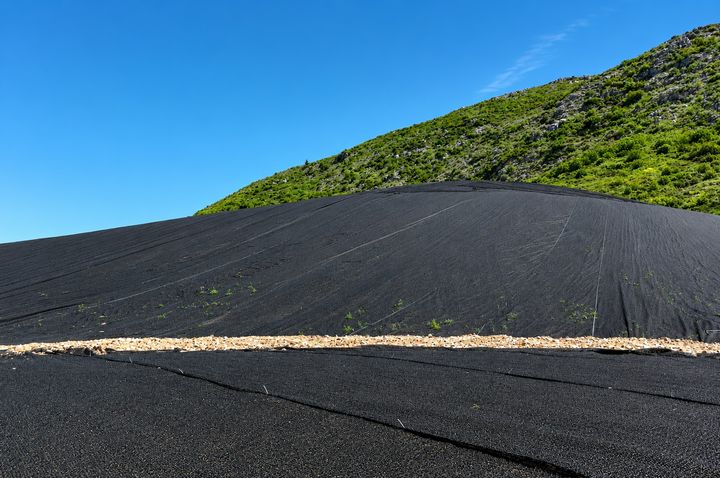
MacGrid EG-T
Again an extruded polypropylene geogrid but characterized by a triangular shape to have a multi-axial behaviour. These materials are used – as the MG EG – in the same type of applications and are supposed to be an evolution of the biaxial ones.
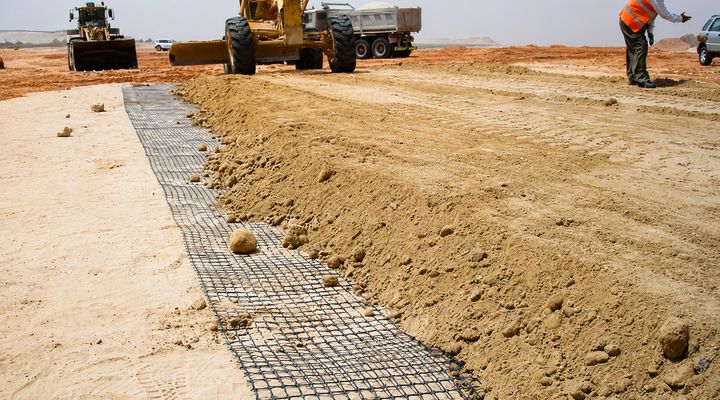
MacGrid WG-S
High tenacity PET knitted-weaved coated geogrids are also available and used in these types of applications especially when the tensile strength requested exceeds the capacity offered by the extruded ranges; these products are available up to standard symmetric strength of 300kN/m but – on demand – can be proposed up to 1000 kN/m.
Success Stories
Built, not just drawn
Discover more
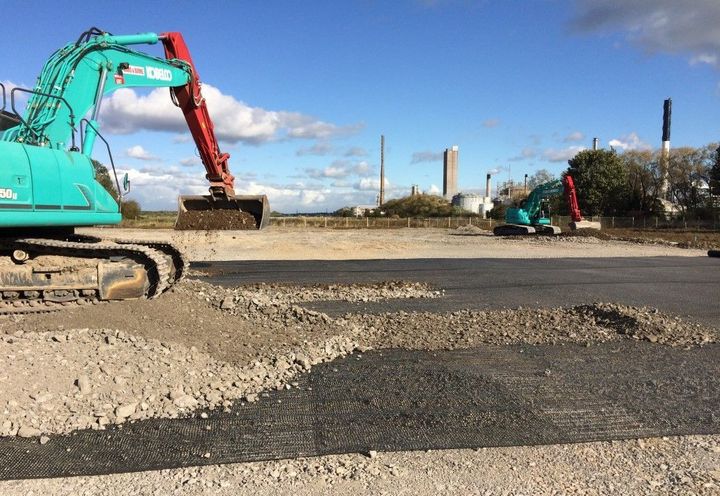
Biomass Energy Plant Ground Improvement Geogrid Solution on Weak Soil
United Kingdom
The development of a £100 million Carbonaceous Biomass Facility for MWH Treatment Ltd presented significant geotechnical challenges. Located at Ince near Helsby, Cheshire, the site sits within the Ince Marshes floodplain of the River Mersey, an area well known for poor ground conditions. The project aimed to replace a previously approved bioethanol plant with a modern biomass energy facility capable of processing up to 175,000 tonnes of fuel annually and generating renewable electricity for approximately 37,000 homes, alongside potential heat and steam supply for local industry. However, the underlying soil profile posed a major obstacle. The site is characterised by deep deposits of soft alluvial clay and peat extending to depths of around 10 metres. These materials exhibit extremely low strength, with a minimum undrained shear strength of just 7. 5 kPa. Such weak subgrade conditions significantly increase the risk of excessive settlement, bearing failure, and instability under heavy construction loads, particularly from cranes and piling rigs. Given the scale of the infrastructure and the intensity of construction activities, a conventional foundation or working platform solution would have been inefficient, costly, and potentially unsafe. A robust ground improvement and load distribution strategy was therefore essential to ensure both construction viability and long-term performance.
Discover more
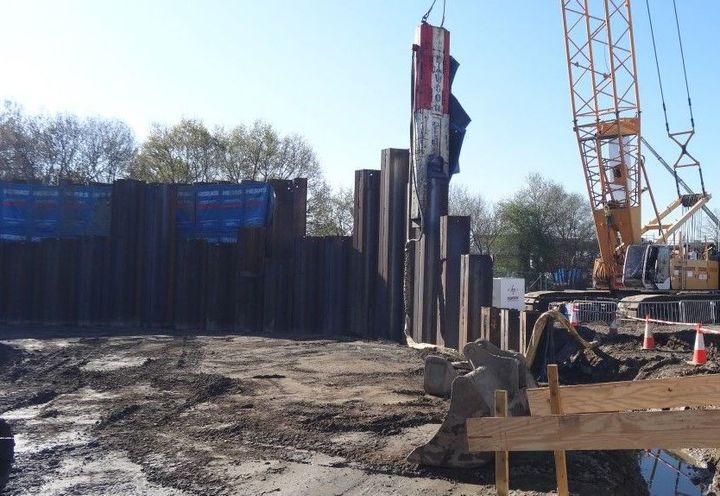
Water Treatment Pumping Station
United Kingdom
Thames Water identified a critical need to reduce flood risk at Grove Farm in the Fleet area of Hampshire, where existing drainage infrastructure was no longer capable of managing increasing volumes of stormwater. During periods of heavy rainfall, the system struggled to cope with peak flows, placing nearby properties at risk of flooding and highlighting the need for urgent infrastructure upgrades. To address this issue, Thames Water invested £7. 2 million into a flood alleviation scheme designed to improve network capacity and enhance long-term resilience. Central to the project was the construction of a new pumping station, intended to support and upgrade the existing drainage system. However, the project site presented significant geotechnical challenges. The subgrade conditions were particularly weak, with a California Bearing Ratio (CBR) of just 1. 50%, indicating very low load-bearing capacity. These poor ground conditions posed a major risk to construction activities, especially given the requirement to operate heavy plant machinery, including a 140-tonne Liebherr crane, piling rigs, and sheet piling equipment. Without effective ground stabilisation, excessive settlement and rutting could compromise both safety and construction efficiency.
Discover more
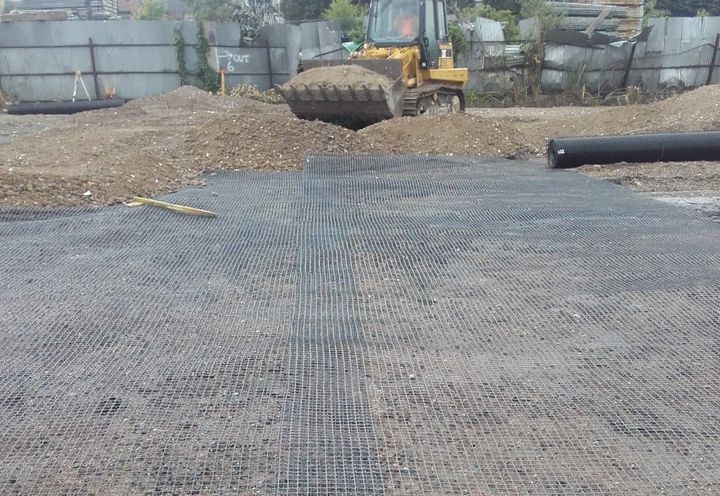
Geogrid Reinforced Pavement Design for Weak Subgrade | Barnet Vehicle Depot
United Kingdom
Barnet Council, working alongside main contractor Willmott Dixon, embarked on the development of the Oakleigh Road South Vehicle Depot, a key infrastructure project designed to support the borough’s waste collection and recycling operations. The facility includes refuse vehicle parking, maintenance buildings, cleaning bays, refuelling stations, and a covered bulking area for efficient waste handling and transfer. A critical aspect of the project involved upgrading the pavement structure at the site entrance and junction off Oakleigh Road South to accommodate frequent Heavy Goods Vehicle (HGV) traffic. These vehicles impose substantial loads, making pavement durability and long-term performance essential. However, challenging ground conditions posed a significant risk. The site exhibited a general California Bearing Ratio (CBR) of 3%, with weaker zones dropping to as low as 1%. Such low CBR values indicate poor load-bearing capacity, increasing the likelihood of rutting, deformation, and premature pavement failure. As a result, an effective ground stabilisation and pavement reinforcement solution was required to ensure structural integrity under heavy traffic conditions.
Discover more
What we can do with
Biaxial Geogrids





Get in touch with us
[contactForm_txtSuccessSubmit]